The Role of Plastic Packaging in Reducing Food Damage
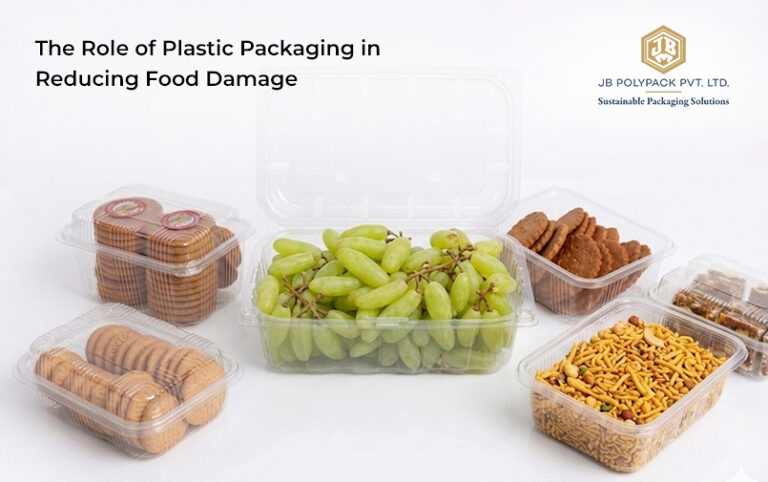
Food damage is one of the biggest hidden challenges in the food supply chain. Every stage, from production to transportation to retail display, exposes food products to risks such as contamination, moisture loss, physical breakage, and microbial spoilage.
Packaging plays a central role in protecting food during this journey. Among all packaging materials used globally, plastic food packaging has become one of the most widely adopted solutions because of its ability to preserve freshness, provide visibility, and protect products from external damage.
Across bakeries, snack brands, fresh produce suppliers, and ready-to-eat food companies, the right packaging determines whether a product reaches consumers in perfect condition or arrives damaged and unsellable.
This article explores how plastic packaging systems reduce food damage, extend shelf life, improve transportation safety, and help food businesses deliver products reliably to customers.
Why Food Damage Happens in the Supply Chain
Food products are extremely sensitive to environmental conditions. Even small changes in humidity, oxygen exposure, or mechanical pressure can affect quality.
Common causes of food damage include:
• Moisture absorption or loss
• Oxygen exposure leading to spoilage
• Physical crushing during transportation
• Temperature fluctuations
• Contamination during handling
• Poor structural packaging support
For fragile items such as cakes, snacks, pastries, and fresh produce, improper packaging can result in significant product loss.
This is where protective food packaging becomes critical. The right packaging material acts as a barrier between the product and external environmental factors.
Plastic packaging systems are designed specifically to handle these challenges while remaining lightweight, cost-efficient, and visually appealing for retail environments.
How Plastic Food Packaging Protects Food Products
Plastic packaging materials are engineered to provide multiple layers of protection for food items.
The effectiveness of plastic food packaging comes from its ability to combine durability, clarity, and barrier protection in a single packaging format.
Key protective features include:
1. Physical Protection
Plastic packaging provides structural strength that protects delicate food products from crushing or deformation during transport.
For example:
• Bakery items such as cakes require rigid containers
• Snack products must remain intact and crisp
• Fresh fruits need packaging that prevents bruising
A well-designed plastic food container ensures that the product maintains its shape and presentation from production to retail.
2. Moisture and Air Barrier
Food spoilage is often caused by exposure to moisture or oxygen.
Certain plastic materials create a protective barrier that limits the exchange of gases and humidity between the product and the surrounding environment.
This helps:
• Preserve freshness
• Maintain texture
• Reduce microbial growth
When food is sealed inside plastic containers for food packaging, the shelf life of many products can increase significantly compared to unpackaged items.
3. Hygiene and Contamination Protection
Food safety regulations require packaging that protects products from contamination during storage and distribution.
Plastic packaging solutions provide a hygienic barrier that prevents exposure to:
• Dust
• Microorganisms
• Handling contamination
• Environmental pollutants
Because plastic packaging can be sealed tightly, it helps maintain sanitary conditions for packaged food products.
The Importance of Visibility in Food Packaging
Consumers often make purchase decisions based on visual inspection of the product.
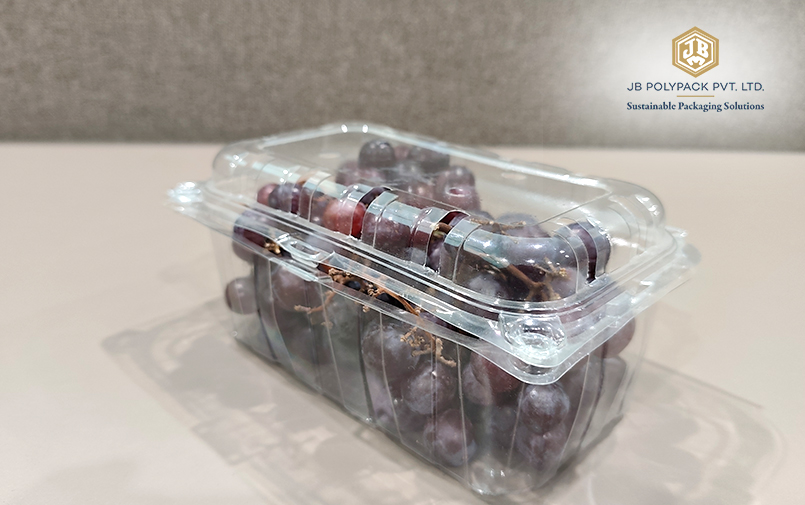
Clear packaging allows customers to see freshness, texture, and portion size before purchasing.
This is why transparent packaging formats have become extremely popular in food retail environments.
A transparent plastic food container allows the product to remain visible while still being protected from external damage.
Visibility benefits include:
• Increased consumer confidence
• Better product presentation
• Reduced need for secondary labeling
• Enhanced shelf appeal in retail stores
For bakery products in particular, transparent packaging is critical for showcasing decorative items like cakes and pastries.
Thermoformed Plastic Packaging and Its Advantages
One of the most widely used manufacturing processes for food packaging is thermoforming.
Thermoformed plastic packaging involves heating plastic sheets and shaping them into specific container designs using molds.
This manufacturing technique offers several advantages for food packaging applications.
Precision Design
Thermoforming allows manufacturers to create packaging shapes that perfectly fit specific food products.
Examples include:
• compartments for snacks
• molded trays for bakery items
• specialized containers for ready-to-eat meals
This precision design reduces product movement inside the package and minimizes damage.
Lightweight but Strong Packaging
Compared to many alternative materials, thermoformed packaging is lightweight yet structurally strong.
This provides two important benefits:
• Reduced transportation costs
• Strong protection for food items
Thermoformed plastic food packaging offers excellent structural stability while maintaining low material weight.
Customization for Food Products
Thermoformed packaging can be customized based on:
• product shape
• portion size
• stacking requirements
• branding needs
This flexibility allows businesses to design packaging specifically suited to their food products.
Applications of Plastic Food Containers in the Food Industry
Plastic containers are widely used across multiple segments of the food industry.
Some common applications include:
Bakery Packaging
Bakery products are fragile and require strong packaging protection.
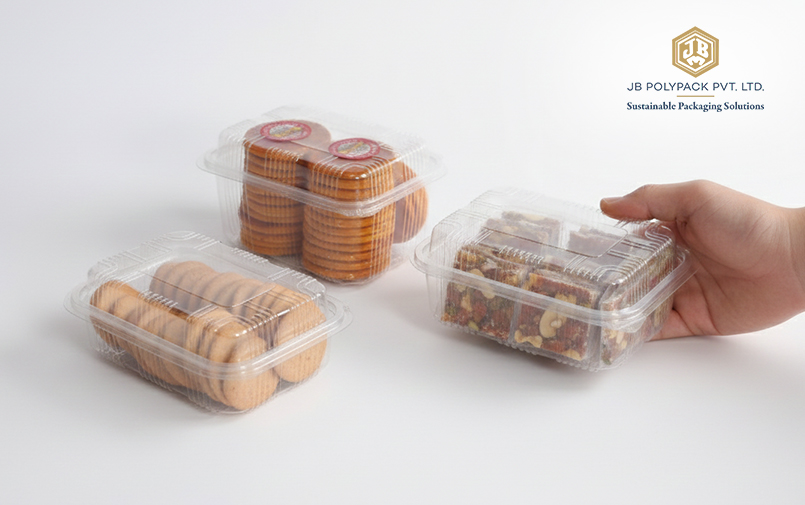
For example, clear cake boxes wholesale suppliers provide packaging that protects cakes while allowing them to remain fully visible for customers.
These containers prevent:
• frosting damage
• cake deformation
• contamination during transport
Clear cake packaging is commonly used by bakeries, dessert brands, and catering businesses.
Snack Packaging
Snack products must remain crisp and intact.
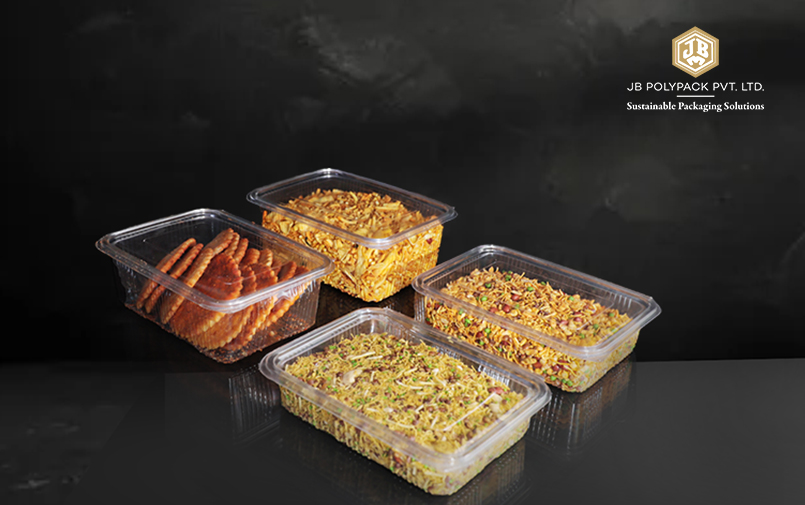
A plastic box for snacks helps maintain product texture while preventing crushing during distribution.
Snack packaging also benefits from:
• airtight sealing
• portion control compartments
• stackable packaging formats
Ready-to-Eat Food Packaging
Ready meals and takeaway food require packaging that is both durable and hygienic.
Many restaurants and food delivery services rely on plastic containers for food packaging to safely deliver meals to customers.
These containers maintain food quality during transportation and storage.
Fresh Produce Packaging
Fruits and vegetables often require breathable packaging that prevents moisture accumulation.
Certain types of thermoformed plastic packaging include ventilation features that allow controlled airflow.
This helps extend the shelf life of fresh produce while protecting it from physical damage.
Reliable Plastic Food Packaging Solutions from JB Polypack
For food businesses, choosing the right packaging partner is as important as selecting the packaging itself. Consistency in quality, structural strength, and food-safe materials determines whether products reach customers in perfect condition.
JB Polypack manufactures a wide range of plastic food packaging solutions designed specifically for modern food businesses including bakeries, snack manufacturers, and food brands.
Our product range includes:
• Plastic food containers designed for durability and product visibility
• Plastic containers for food packaging suitable for bakery, snacks, and ready-to-eat foods
• Rigid packaging formats such as plastic box for snacks and bakery packaging
• High clarity packaging including transparent plastic food container solutions
• Bakery-focused packaging like clear cake boxes wholesale formats for safe cake transportation
• Custom molded trays and thermoformed plastic packaging designed to protect fragile food products
What differentiates JB Polypack is a strong focus on precision packaging design and consistent quality control. Our packaging is manufactured to ensure:
• High clarity for strong retail shelf presentation
• Structural strength to prevent food damage during logistics
• Food-safe manufacturing processes
• Consistent dimensional accuracy for stacking and transport efficiency
For food brands, bakeries, and distributors, the right packaging ensures that food products remain protected while maintaining strong visual appeal for consumers.
JB Polypack works closely with businesses to deliver reliable thermoformed plastic food packaging solutions that support both product protection and retail presentation.
Explore Plastic Packaging Solutions
Businesses looking for reliable plastic food packaging solutions often require packaging formats tailored to specific food categories such as bakery, snacks, or ready-to-eat products.
Explore specialized packaging solutions including:
• plastic food containers for bakery and takeaway foods
• thermoformed plastic food packaging for food manufacturers
• transparent plastic food container solutions for retail display
Selecting the right packaging solution ensures both product protection and a strong customer experience.
Why Plastic Packaging Reduces Food Waste
Food waste is a major global issue.
According to global food supply studies, a large portion of food waste occurs due to damage during transportation and storage.
Proper packaging significantly reduces this waste.
Plastic food packaging helps prevent food loss in several ways:
• protects products from breakage
• reduces contamination risk
• preserves freshness longer
• prevents moisture damage
• improves handling during logistics
When food products remain protected throughout the supply chain, businesses experience lower product loss and higher profitability.
Transportation and Logistics Benefits
Food products often travel long distances before reaching consumers.
Packaging must therefore withstand handling, stacking, and movement during transportation.
Plastic packaging solutions offer several logistics advantages.
Stackable Design
Many plastic food containers are designed to stack securely.
Stackable packaging improves:
• warehouse storage efficiency
• transport stability
• reduced packaging collapse risk
Lightweight Shipping
Plastic materials are significantly lighter than alternatives such as glass or metal.
This helps reduce:
• shipping costs
• fuel consumption
• overall logistics expenses
Lightweight packaging also simplifies manual handling during distribution.
Impact Resistance
Plastic packaging is resistant to impact and breakage.
Unlike glass packaging, plastic containers do not shatter easily during transportation.
This improves safety during logistics and reduces product loss.
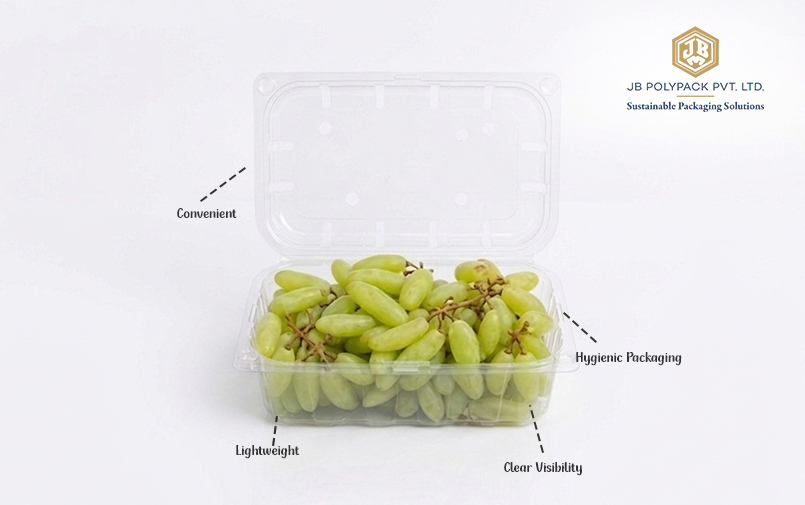
Retail Display Advantages of Transparent Packaging
Retail environments rely heavily on packaging that enhances product presentation.
Clear packaging formats allow food products to remain visible on store shelves.
A transparent plastic food container helps highlight product quality while protecting it from external contamination.
Retailers benefit from packaging that offers:
• attractive product presentation
• easy product identification
• minimal need for additional packaging layers
These features improve shelf visibility and increase purchase likelihood.
Food Waste and the Importance of Protective Packaging
Food loss and waste remain one of the biggest challenges across the global food supply chain. Packaging plays a critical role in preventing product damage before food reaches consumers.
According to the Food and Agriculture Organization (FAO):
• Nearly one-third of all food produced globally is lost or wasted, amounting to about 1.3 billion tonnes every year.
Packaging significantly reduces food loss during transportation, storage, and retail handling by protecting food from contamination, environmental exposure, and physical damage.
Research from the World Packaging Organisation also highlights that:
• Effective packaging solutions can reduce food waste in supply chains by up to 30% in certain product categories, particularly fresh produce and bakery products.
Plastic packaging remains widely used in food supply chains because it provides a balance of:
• product protection
• lightweight transportation
• cost efficiency
• high visibility for retail environments
This is why packaging formats such as plastic food containers, thermoformed plastic food packaging, and transparent plastic food container systems continue to play an important role in modern food distribution networks.
Sustainability Considerations in Plastic Food Packaging
The packaging industry is evolving rapidly with increasing focus on sustainability.
Modern plastic packaging solutions are designed to improve recyclability and reduce environmental impact.
Many manufacturers now produce packaging using recyclable plastic materials and optimized material usage.
Sustainable innovations include:
• lightweight packaging designs
• recyclable plastic materials
• improved manufacturing efficiency
• reduced material waste
These advancements allow companies to continue benefiting from the protective properties of plastic while addressing environmental concerns.
Choosing the Right Plastic Packaging for Food Products
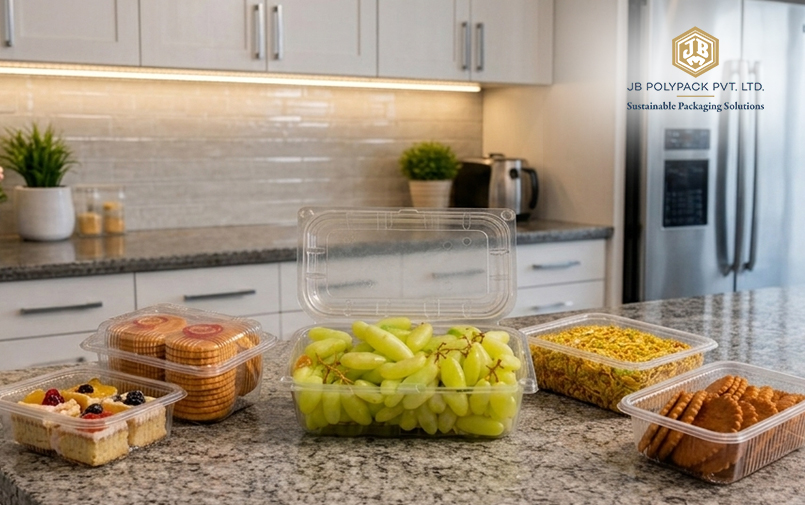
Selecting the appropriate packaging format depends on the specific requirements of the food product.
Factors that businesses should consider include:
Product Fragility
Delicate products such as cakes and pastries require rigid containers like clear cake boxes wholesale packaging formats.
Moisture Sensitivity
Products sensitive to humidity should use sealed packaging solutions.
Shelf Life Requirements
Some products require higher barrier protection to extend freshness.
Product Visibility
For retail products, transparent packaging often improves sales performance.
Transportation Conditions
Packaging must withstand transportation pressure and stacking conditions.
A carefully selected plastic food container ensures that food products remain safe and visually appealing throughout the supply chain.
The Future of Plastic Packaging in the Food Industry
Food packaging technology continues to evolve as manufacturers develop smarter packaging solutions.
Key innovations expected in the future include:
• improved recyclable packaging materials
• advanced barrier technologies
• lightweight high-strength packaging
• optimized thermoforming techniques
As food distribution networks expand and e-commerce food delivery grows, the need for reliable packaging solutions will only increase.
Thermoformed plastic food packaging will likely remain a core component of modern food packaging systems due to its combination of durability, cost efficiency, and design flexibility.
What Food Businesses Look for When Buying Plastic Food Packaging
When food brands, bakeries, and distributors evaluate packaging solutions, they are not simply buying containers. They are investing in product protection, shelf presentation, and logistics efficiency.
Buyers typically consider several critical factors before selecting plastic food packaging suppliers.
Product Protection
The primary concern for food businesses is whether packaging can protect products during transportation and storage.
For example:
• bakery items must not collapse during delivery
• snacks should remain intact and crisp
• fresh food products must maintain hygiene standards
High-quality protective food packaging ensures that products reach customers in the same condition they left the production facility.
Packaging Clarity and Shelf Appeal
Retail presentation plays a major role in food sales.
Clear packaging formats such as transparent plastic food container solutions allow customers to visually inspect products before purchasing.
Packaging with high clarity improves:
• consumer trust
• shelf visibility
• product attractiveness
This is especially important for bakery products packaged in clear cake boxes wholesale formats where visual presentation directly influences purchase decisions.
Structural Strength and Transportation Safety
Food packaging must withstand handling during logistics and distribution.
Strong plastic containers for food packaging reduce the risk of:
• product crushing
• packaging deformation
• leakage or contamination
Rigid packaging formats such as plastic box for snacks help maintain product integrity even during long transportation cycles.
Consistent Supply from Reliable Manufacturers
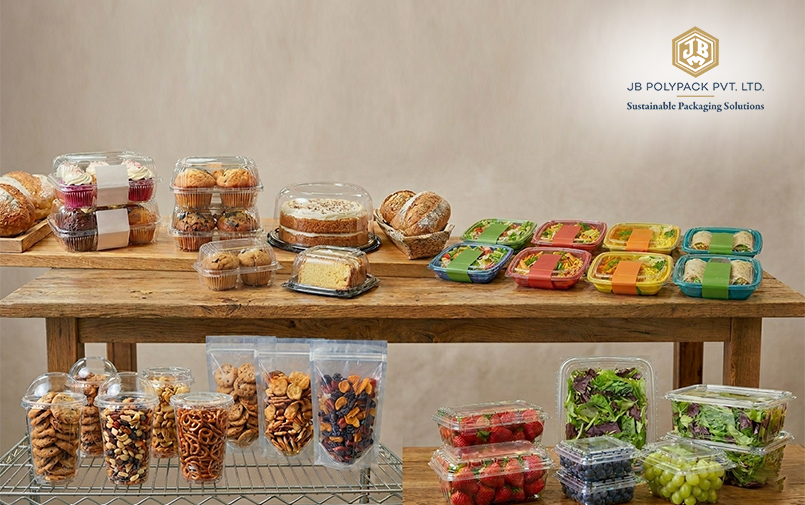
Food businesses require packaging suppliers who can provide consistent product quality and dependable supply chains.
Manufacturers specializing in thermoformed plastic packaging are able to deliver packaging with uniform thickness, precise dimensions, and reliable stacking performance.
This consistency becomes critical for businesses operating large-scale food production or distribution networks.
Conclusion
Food protection is one of the most critical aspects of the global food supply chain.
Without proper packaging, products can suffer damage, contamination, or spoilage before reaching consumers.
Plastic packaging solutions provide a reliable way to protect food products while maintaining visibility and convenience.
From bakery packaging and snack containers to fresh produce trays and ready-meal packaging, plastic food packaging plays a key role in reducing food damage and minimizing waste across the supply chain.
When designed correctly, packaging solutions such as thermoformed plastic packaging, transparent containers, and specialized food containers help businesses maintain product quality, improve logistics efficiency, and deliver better food experiences to customers.
As packaging technologies continue to improve, plastic packaging will remain an essential tool in protecting food products and ensuring that they reach consumers in the best possible condition. Contact JB Polypack for thermoforming packaging solutions for your brand.
FAQs
How does plastic food packaging reduce food damage?
Plastic food packaging protects food by creating a barrier against moisture, oxygen, contamination, and physical impact during transportation and storage.
Why are transparent plastic food containers used for food packaging?
A transparent plastic food container allows customers to see the product clearly while protecting it from contamination and damage.
What is thermoformed plastic food packaging?
Thermoformed plastic food packaging is created by heating plastic sheets and molding them into specific container shapes designed to hold and protect food products.
Why are plastic containers commonly used in food packaging?
Plastic containers are lightweight, durable, hygienic, and cost-efficient, making them suitable for protecting a wide range of food products.
What packaging is used for bakery products like cakes?
Bakery products are commonly packed in rigid containers such as clear cake boxes wholesale packaging that protects the cake while keeping it visible.