From Hinged Plastic Containers to Polyester PET Strap: Complete Packaging Solutions for Modern Manufacturers
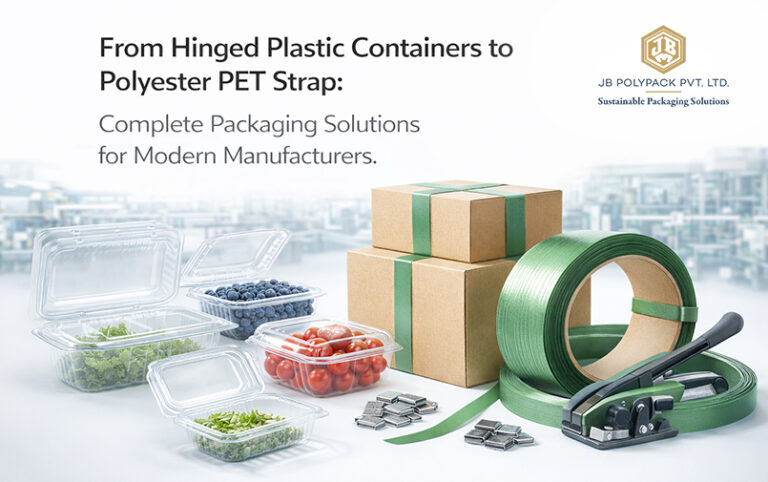
Modern manufacturing does not run on production efficiency alone. It runs on packaging precision.
Whether it is fresh produce, industrial components, FMCG products, or export consignments, packaging determines protection, presentation, and performance. From hinged containers plastic used in retail-ready packaging to high-strength PET strap solutions securing heavy pallet loads, manufacturers today require integrated systems that work seamlessly across storage, logistics, and distribution.
This is where complete packaging solutions matter.
At scale, packaging is no longer just containment. It is:
- Product protection
- Logistics optimization
- Brand presentation
- Supply chain efficiency
- Cost control
In this blog, we explore how hinged plastic packaging and polyester PET strap systems together create robust, export-ready, and retail-friendly solutions for modern manufacturers.
What Are Hinged Containers Plastic and Where Are They Used?
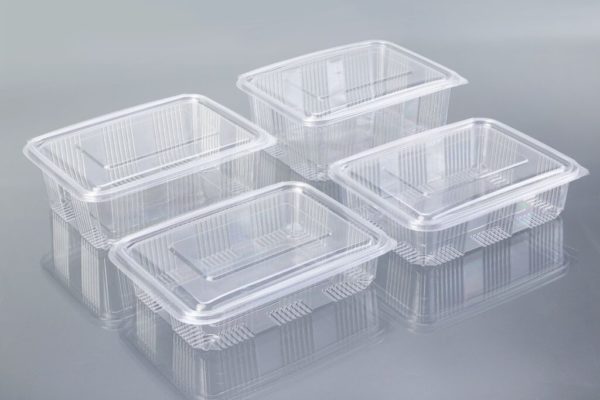
Hinged containers plastic are thermoformed packaging units designed with an attached lid that closes securely using snap-lock or friction-fit mechanisms. Unlike separate lid trays, a hinged box provides an integrated closure system, improving packing speed and product protection.
These containers are widely used in:
- Food packaging
- Bakery and confectionery
- Electronic accessories
- Hardware components
- Retail FMCG products
A hinged plastic box protects the product while maintaining visibility, making it ideal for display-driven retail environments.
Because they combine hygiene, clarity, and structural rigidity, hinged containers plastic have become a preferred packaging format across industries.
Understanding Hinged Containers Plastic in Modern Packaging
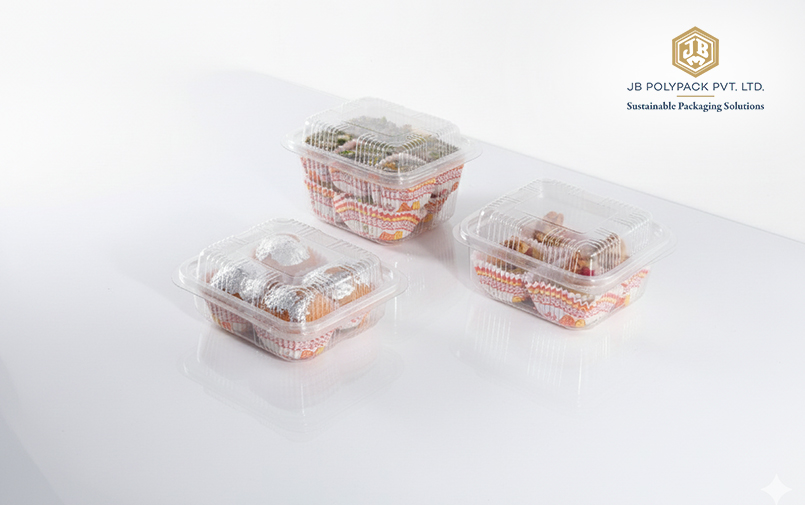
When we talk about hinged containers plastic, we refer to thermoformed packaging solutions with attached lids that provide secure closure and easy access. These are widely used across:
- Fresh produce
- Bakery items
- Confectionery
- Ready-to-eat foods
- Hardware components
- Electronic accessories
The reason manufacturers prefer hinged containers plastic is simple: they combine visibility with protection.
Unlike open trays, a hinged box keeps the product enclosed, reducing contamination risk while maintaining display clarity. Unlike separate lid systems, an integrated hinged plastic box ensures:
- No lid misplacement
- Faster packing line operations
- Secure snap-fit closure
- Tamper-evident design options
For retail environments and export markets, this balance between functionality and presentation is essential.
Thermoforming Products: The Foundation Behind Hinged Containers Plastic
Every high-quality hinged container begins with precision thermoforming.
JB Polypack’s thermoforming products are designed to create structurally consistent, transparent, and durable packaging formats across industries. From hinged containers plastic to custom trays and retail-ready packaging formats, thermoforming ensures dimensional accuracy and repeatable performance.
Thermoformed packaging offers:
- Uniform wall thickness
- High clarity for retail visibility
- Lightweight yet strong structure
- Efficient production scalability
Because hinged box and hinged plastic box designs rely on precise molding tolerances, thermoforming capability directly impacts packaging reliability.
For manufacturers seeking consistent packaging supply, thermoforming expertise ensures that hinged containers plastic maintain strength, clarity, and stacking integrity across large production volumes.
Rigid PET Sheets: The Structural Backbone of Hinged Plastic Box Manufacturing
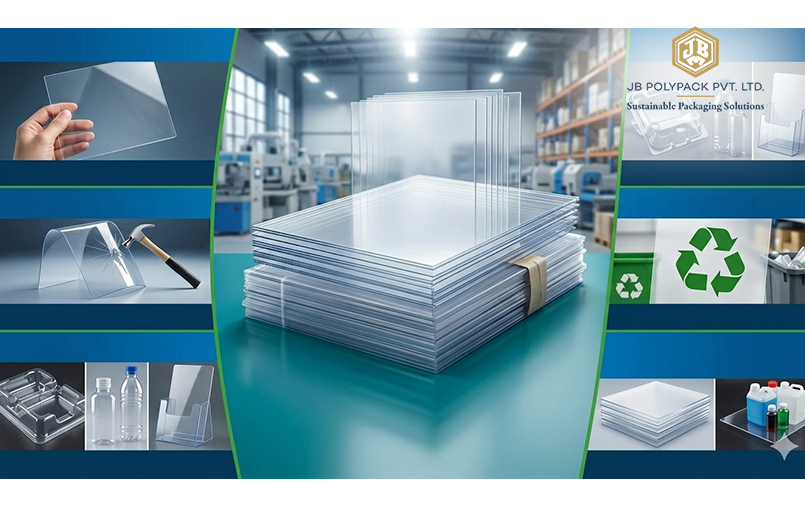
High-performance hinged containers plastic begin with high-quality rigid PET sheets.
Rigid PET sheets provide the base material used in thermoforming hinged box solutions. Their clarity, strength, and dimensional stability determine the durability of the final hinged plastic box.
Key advantages of rigid PET sheets include:
- Excellent transparency
- Strong impact resistance
- Food-contact suitability
- Moisture resistance
- Smooth surface finish
When rigid PET sheets are manufactured with precision, the resulting hinged containers plastic offer better stacking strength and longer shelf performance.
For manufacturers evaluating packaging consistency, the quality of rigid PET sheets plays a crucial role in ensuring every hinged box meets structural expectations.
Why Hinged Box Packaging Works for Retail and Export
Retail buyers increasingly demand packaging that is:
- Transparent
- Stackable
- Durable
- Hygienic
- Easy to handle
A well-designed hinged box meets all these expectations.
Protection Without Compromising Visibility
Clear hinged containers plastic allow consumers to inspect product quality without opening the pack. This reduces handling damage and maintains hygiene.
Structural Integrity During Transport
A precision-engineered hinged plastic box maintains shape under stacking pressure, making it suitable for secondary carton packing and pallet loading.
Faster Packing Line Integration
For manufacturers running automated packing lines, a uniform hinged box improves speed and reduces downtime caused by misaligned lids or inconsistent dimensions.
In short, hinged containers plastic streamline both retail presentation and backend logistics.
The Role of Hinged Plastic Box in Food-Safe Applications
Food safety is a major consideration in packaging decisions.
High-quality hinged containers plastic are manufactured using food-grade materials suitable for direct food contact. This ensures:
- No chemical migration
- Hygienic surface finish
- Compatibility with cold storage
- Resistance to moisture
Whether used for bakery packaging or fresh-cut produce, a hinged plastic box maintains freshness while supporting safe distribution.
Modern manufacturers understand that packaging compliance builds brand trust. A reliable hinged box reduces risk across the supply chain, making it suitable for multiple industry applications that go beyond food.
Polyester PET Strap: Securing Industrial Logistics at Scale
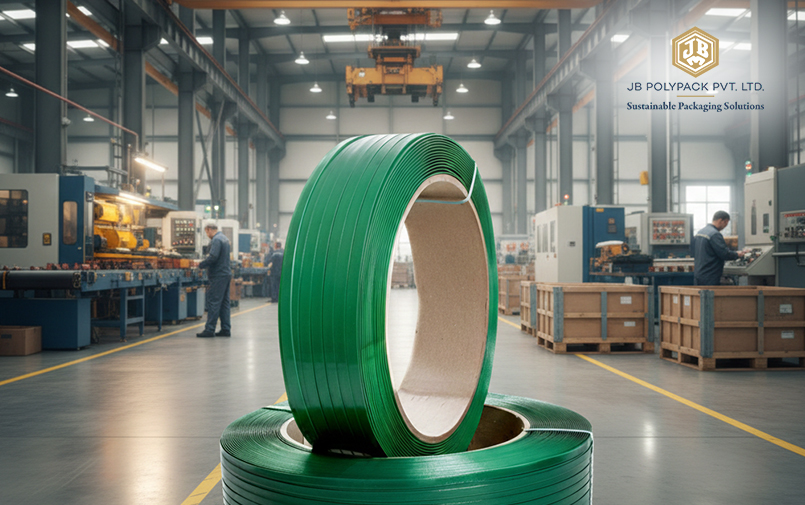
While hinged containers plastic protect individual products, large-scale distribution requires load stabilization.
This is where polyester PET strap becomes essential.
Polyester PET strap is a high-tensile-strength alternative to traditional steel strapping. It is widely used for:
- Pallet stabilization
- Carton bundling
- Heavy industrial loads
- Construction materials
- Export shipments
In logistics-heavy operations, PET strap systems ensure that goods remain secure during:
- Warehouse handling
- Forklift movement
- Container loading
- Long-distance shipping
Without reliable plastic strapping, packaging protection is incomplete.
Why PET Strap Is Replacing Traditional Steel Strapping
Manufacturers are increasingly shifting from steel to PET strap solutions for several reasons.
1. Safety
Unlike steel, polyester PET strap does not have sharp edges. It reduces worker injury risks during handling.
2. Flexibility and Shock Absorption
PET strap absorbs impact during transit. Steel does not. This shock absorption protects goods from load shift.
3. Corrosion Resistance
Steel can rust, especially in humid export conditions. PET packaging strap remains corrosion-free.
4. Cost Efficiency
Plastic strapping is often lighter and more economical while offering comparable strength.
For manufacturers managing high-volume dispatches, polyester PET strap offers performance without compromise.
PET Strap vs Steel Strapping: Which Is Better for Modern Logistics?
Manufacturers frequently compare PET strap with traditional steel strapping.
| Feature | PET Strap | Steel Strap |
| Safety | No sharp edges | High injury risk |
| Corrosion | Rust-resistant | Prone to rust |
| Shock Absorption | High | Low |
| Flexibility | Flexible | Rigid |
| Cost Efficiency | Economical | Higher |
Polyester PET strap provides similar load stability while reducing handling risks.
For most modern applications, plastic strapping offers better operational flexibility than steel.
Plastic Strapping and Its Importance in Export Packaging
Export packaging demands consistency and strength.
When cartons are palletized, they require reliable plastic strapping to:
- Prevent lateral movement
- Maintain stack alignment
- Secure heavy loads
- Reduce transit damage
A high-quality PET strap ensures tension retention even during long sea freight journeys.
In modern supply chains, especially in industrial packaging, plastic strapping has become integral.
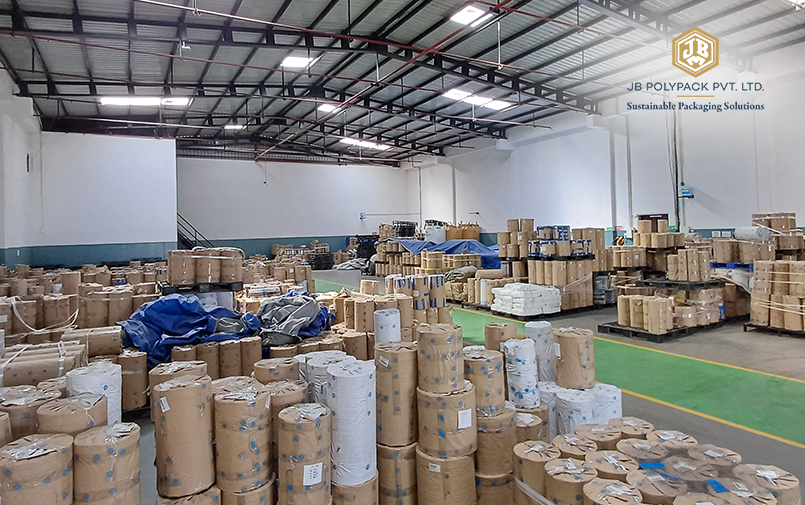
Integrated Packaging: From Hinged Box to PET Packaging Strap
The real advantage comes when manufacturers view packaging as a complete ecosystem.
Consider this workflow:
- Product packed in a hinged plastic box
- Multiple units placed into master cartons
- Cartons stacked onto pallets
- Pallets secured using polyester PET strap
- Shipment stabilized using plastic strapping systems
Each component plays a critical role.
If the hinged containers plastic lack rigidity, product damage increases.
If the PET packaging strap lacks tensile strength, pallet loads may shift.
When both systems are engineered correctly, manufacturers achieve:
- Lower damage rates
- Better load stability
- Improved warehouse efficiency
- Reduced return costs
Complete packaging solutions improve operational performance across the board.
PET Packaging Strap in Heavy-Duty Applications
Industrial sectors rely heavily on PET strap solutions.
Applications include:
- Ceramic tiles
- Textile bales
- Metal sheets
- Corrugated carton bundles
- FMCG bulk loads
A durable polyester PET strap provides:
- High break strength
- Controlled elongation
- Tension retention
- Reliable sealing performance
Modern automatic strapping machines are optimized for PET packaging strap compatibility, ensuring smooth operations.
Technical Specifications of Polyester PET Strap for Industrial Applications
When selecting polyester PET strap, manufacturers evaluate performance metrics rather than just price.
Key specifications include:
- Tensile strength range
- Elongation percentage
- Strap width options
- Strap thickness variations
- Core diameter compatibility
- Joint efficiency performance
A high-quality PET strap maintains consistent tension retention during transit, especially in export shipments where load vibration is common.
Industrial buyers prefer PET packaging strap that:
- Matches automatic strapping machines
- Withstands long-duration storage
- Offers controlled stretch under pressure
- Reduces strap breakage during handling
Reliable plastic strapping ensures pallet stability without excessive tightening that could damage cartons.
This technical focus is what manufacturers of high-performance PET straps keep in mind.
Advanced Manufacturing of Polyester PET Strap for Industrial Performance
High-quality polyester PET strap is engineered for consistent tensile strength and controlled elongation, making it highly versatile.
At scale, PET strap manufacturing requires:
- Uniform extrusion precision
- Controlled cooling processes
- Consistent width and thickness tolerance
- Reliable surface finish for machine compatibility
Industrial-grade PET packaging strap must perform under dynamic load conditions, especially during export shipments.
By maintaining quality consistency in plastic strapping production, manufacturers reduce breakage rates, improve pallet safety, and ensure secure load containment.
A reliable PET strap supplier supports:
- Automatic strapping systems
- Manual and semi-automatic operations
- Heavy-duty palletized cargo
- Long-distance container shipments
How Hinged Containers Plastic Support Brand Presentation
Beyond functionality, packaging influences perception.
Clear hinged box designs enhance shelf appeal. A neat hinged plastic box signals:
- Quality
- Cleanliness
- Professional packaging
- Retail readiness
Manufacturers competing in crowded markets understand that packaging aesthetics matter as much as structural strength.
Hinged containers plastic allow for:
- Custom cavity designs
- Branding labels
- Ventilation adjustments
- Portion control packaging
Retail buyers prefer packaging formats that reduce repacking and display effort. A ready-to-shelf hinged box meets this need effectively.
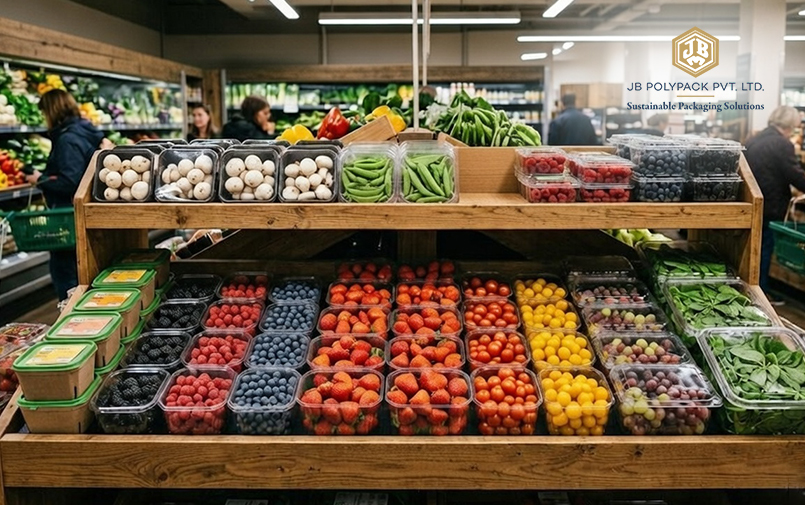
Plastic Punnets for Fresh and Retail-Ready Packaging
In addition to hinged containers plastic, plastic punnets are widely used for fresh produce, bakery items, and FMCG retail packaging.
A punnet-style hinged box offers:
- Controlled ventilation
- Clear visibility
- Lightweight handling
- Secure lid closure
Plastic punnets complement hinged plastic box formats by offering portion-controlled packaging for retail distribution.
Manufacturers supplying fresh produce or perishable goods often use hinged containers plastic and plastic punnets together within the same supply chain.
By integrating thermoforming expertise with rigid PET sheets, JB Polypack delivers both hinged box solutions and punnet packaging formats that align with modern retail standards.
Sustainability Considerations in PET Strap and Hinged Box Manufacturing
Sustainability is reshaping packaging decisions globally.
Manufacturers now look for:
- Lightweighting opportunities
- Recyclable materials
- Reduced carbon footprint
- Optimized material usage
Both hinged containers plastic and PET strap systems can be designed for recyclability when produced using suitable materials.
Polyester PET strap, in particular, is known for durability and long service life, reducing the need for frequent replacement.
Optimized plastic strapping solutions also minimize excess material use while maintaining required strength.
Responsible packaging design balances performance and environmental considerations.
Choosing the Right Supplier for Hinged Plastic Box and PET Strap
Selecting the right packaging partner affects operational efficiency.
When evaluating suppliers, manufacturers should consider:
Manufacturing Capability
Can they produce hinged containers plastic with dimensional consistency?
Quality Assurance
Are PET strap batches tested for tensile strength and elongation?
Customization
Can hinged box designs be tailored to specific product dimensions?
Production Capacity
Can polyester PET strap supply match high-volume dispatch schedules?
Technical Support
Does the supplier assist in selecting the right PET packaging strap thickness and width?
A supplier offering both thermoforming and plastic strapping solutions provides coordination advantages and supply reliability.
Common Buyer Questions About Hinged Containers Plastic and PET Strap
Are hinged containers plastic suitable for automated packing lines?
Yes, uniform design and snap-fit lids ensure smooth machine compatibility.
What thickness options are available in PET strap?
PET strap is available in various widths and thicknesses depending on load requirements.
Is polyester PET strap safe for export shipments?
Yes, polyester PET strap maintains tension and stability during long-distance transport.
Can hinged plastic box designs be customized?
Yes, cavity dimensions, ventilation, and locking features can be tailored to product needs.
How does plastic strapping improve pallet safety?
Plastic strapping stabilizes loads, reduces carton shifting, and minimizes damage during handling.
The Competitive Advantage of Complete Packaging Solutions
Manufacturers today cannot afford fragmented packaging systems.
Using coordinated hinged containers plastic and PET strap systems ensures:
- Consistent material compatibility
- Integrated logistics planning
- Reduced supplier complexity
- Improved cost control
A single packaging partner simplifies procurement, improves communication, and strengthens supply chain reliability.

How to Select the Right Hinged Containers Plastic and PET Strap for Your Business
Choosing the correct packaging solution depends on:
- Product weight
- Shipping distance
- Storage conditions
- Retail presentation requirements
- Export standards
For retail packaging, a dimensionally consistent hinged plastic box ensures display appeal and stacking reliability.
For logistics security, selecting the appropriate PET strap width and thickness improves pallet performance.
Working with a manufacturer that offers both hinged box and plastic strapping solutions simplifies procurement and improves supply chain coordination.
Strengthening Supply Chains with Polyester PET Strap and Hinged Box Solutions
The packaging journey does not end at production. It extends through warehousing, transport, retail display, and end use.
A high-performance hinged plastic box protects individual products.
A reliable PET strap secures bulk shipments.
Strong plastic strapping ensures stable pallet loads.
Together, they create a packaging system designed for modern manufacturing demands.
In competitive industries where margins are tight and logistics are complex, packaging reliability directly affects profitability.
A Complete Packaging Ecosystem Under One Roof
Modern manufacturers benefit from packaging partners who offer integrated solutions rather than isolated products.
JB Polypack’s packaging ecosystem includes:
- Hinged containers plastic
- Hinged plastic box solutions
- Plastic punnets
- Rigid PET sheets
- Polyester PET strap
- Industrial plastic strapping systems
By combining thermoforming expertise with PET strap manufacturing capabilities, businesses gain:
- Streamlined procurement
- Consistent quality standards
- Coordinated supply timelines
- Improved operational efficiency
When hinged box packaging and PET packaging strap systems are aligned, manufacturers achieve greater supply chain stability and reduced logistics risk.
Packaging That Performs at Every Stage
From retail-facing hinged containers plastic to industrial-grade polyester PET strap solutions, complete packaging systems provide measurable benefits:
- Reduced product damage
- Improved stacking strength
- Better handling safety
- Enhanced retail appeal
- Stronger export readiness
For manufacturers seeking long-term operational efficiency, investing in high-quality hinged box and PET packaging strap systems is a strategic move. If you are looking for the same for your business. Contact our team.
How Punnet Box Suppliers Are Helping Exporters Improve Produce Safety and Global Shipping Standards
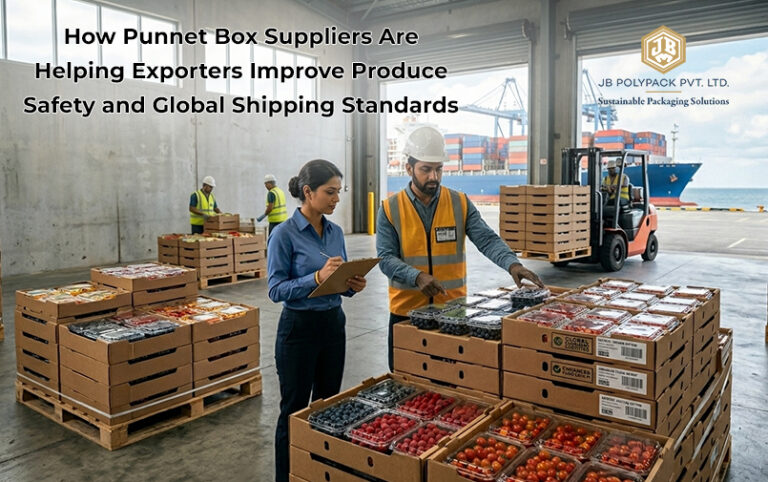
In the global fresh produce trade, the difference between a successful shipment and a rejected container often comes down to one thing: packaging. For exporters dealing with fruits, vegetables, berries, herbs, and cut produce, the right punnet box is no longer just a packaging accessory. It is a compliance tool, a safety shield, and a branding asset.
As international markets tighten quality controls and buyers demand higher traceability, the role of reliable punnet box suppliers has become more critical than ever. From maintaining freshness during long transit to meeting food safety norms in the EU, UK, Middle East, and beyond, the right packaging partner directly impacts export performance.
This blog answers the most common buyer queries around punnet packaging, global shipping standards, and how exporters can choose the right partner to scale confidently.
What Is a Punnet Box and Why Is It Used in Fresh Produce Exports?
A punnet box is a small, ventilated container specifically designed for packaging delicate fruits and vegetables. It is widely used for berries, cherry tomatoes, mushrooms, grapes, baby corn, and herbs that require airflow and protection during transport.
Unlike bulk cartons, a punnet box offers:
- Individual portion protection
- Controlled ventilation
- Moisture management
- Easy stacking inside export cartons
For exporters, this packaging format helps maintain produce quality from farm to international retail shelves. Because global buyers expect safe and standardized produce packaging, the punnet box has become a preferred format in export supply chains.
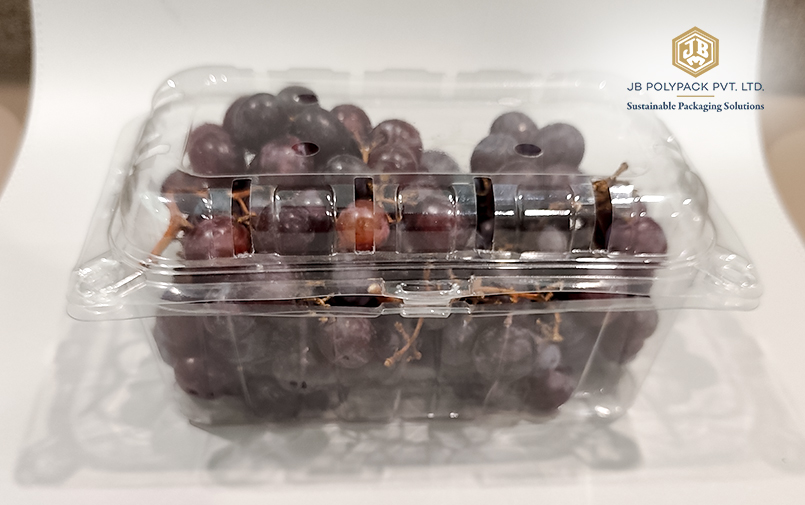
Why the Right Punnet Box Matters in Global Produce Trade
A punnet box is widely used for packaging fresh produce such as strawberries, blueberries, cherry tomatoes, grapes, mushrooms, and herbs. But beyond its simple appearance, it performs several essential functions:
- Protects delicate produce from compression and bruising
- Allows ventilation for respiration and moisture control
- Maintains structural stability during stacking and palletization
- Supports labeling and barcode compliance for exports
For exporters, packaging is not just about containment. It is about:
- Meeting international produce packaging norms
- Reducing transit loss
- Preventing contamination
- Enhancing shelf appeal
Global buyers now evaluate packaging quality as closely as they evaluate produce quality. A weak plastic punnet box can lead to deformation during shipping. Inconsistent dimensions can affect pallet stability. Poor ventilation design can increase condensation, leading to fungal growth.
This is where experienced punnet box suppliers make a difference.
How Punnet Box Suppliers Improve Produce Safety
Food safety regulations across export markets are becoming increasingly strict. Buyers expect packaging that aligns with food safety frameworks, traceability requirements, and hygiene standards.
1. Use of Food-Safe Raw Materials
Reputable punnet box suppliers manufacture using certified food grade plastic containers standards. This ensures:
- No harmful chemical migration
- Safe direct contact with fresh produce
- Compliance with food safety guidelines
For exporters, this reduces the risk of shipment rejection due to packaging contamination.
2. Hygienic Manufacturing Practices
Export-oriented buyers frequently ask:
Are your punnet boxes manufactured in hygienic conditions?
Professional suppliers maintain controlled production environments to prevent dust, foreign particles, or contamination during molding and packing. This directly supports exporters in meeting global food safety audits.
3. Ventilation Design That Preserves Freshness
A well-designed punnet box includes ventilation slots that:
- Allow airflow
- Reduce moisture build-up
- Support temperature-controlled supply chains
This becomes especially important in long-haul shipments where condensation can compromise produce quality.
The Role of Punnet Box in Meeting Global Shipping Standards
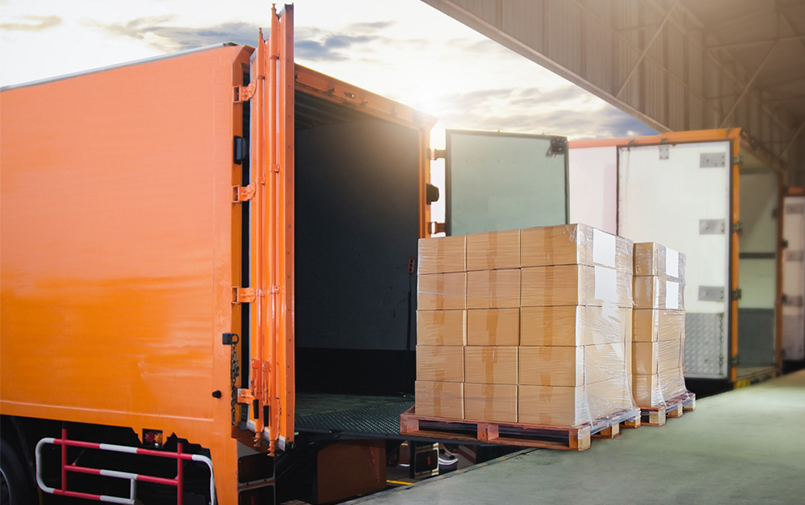
When exporters ship to international markets, packaging must withstand:
- Long road transport to ports
- Container loading and unloading
- Sea freight vibrations
- Temperature fluctuations in cold chain logistics
A structurally sound punnet box helps maintain stacking strength. Precision in design ensures uniformity across batches, reducing the risk of collapse inside cartons.
Stackability and Load Bearing Strength
International buyers often specify stacking height requirements. Weak packaging leads to:
- Crushed lower layers
- Deformed punnets
- Damaged produce
Strong plastic punnet box designs improve pallet stability and minimize losses during container transport.
Standardized Dimensions for Export Cartons
Exporters frequently ask:
Can your punnet pack box match our carton dimensions?
Experienced suppliers customize punnet sizes to align with export carton specifications. This ensures optimal space utilization, improved pallet efficiency, and lower freight costs.
Why Exporters Prefer Specialized Punnet Box Suppliers
The global fresh produce market operates on tight timelines and quality commitments. Exporters cannot afford packaging inconsistencies.
Working with professional punnet box suppliers provides:
- Consistent quality control
- On-time supply
- Bulk manufacturing capability
- Custom size options
- Export-grade packaging strength
Reliable punnet box exporters also understand country-specific packaging preferences. For example:
- European buyers may require recyclable material options
- Middle East buyers may focus on durability and transparency
- Retail chains may require specific lid-lock mechanisms
Understanding these nuances gives exporters a competitive edge.
Plastic Punnet Box vs Alternative Produce Packaging
When it comes to produce packaging, exporters evaluate multiple options:
- Corrugated trays
- Clamshells
- Net bags
- Plastic punnets
The plastic punnet box continues to dominate export markets because it offers:
- Clear visibility of produce
- High ventilation flexibility
- Strong structural support
- Lightweight properties
- Compatibility with automated packing lines
For delicate produce such as berries, a punnet box provides individual protection that bulk packaging cannot. This makes them the most suitable choice for exporters.
Types of Punnet Box Used in Export Markets
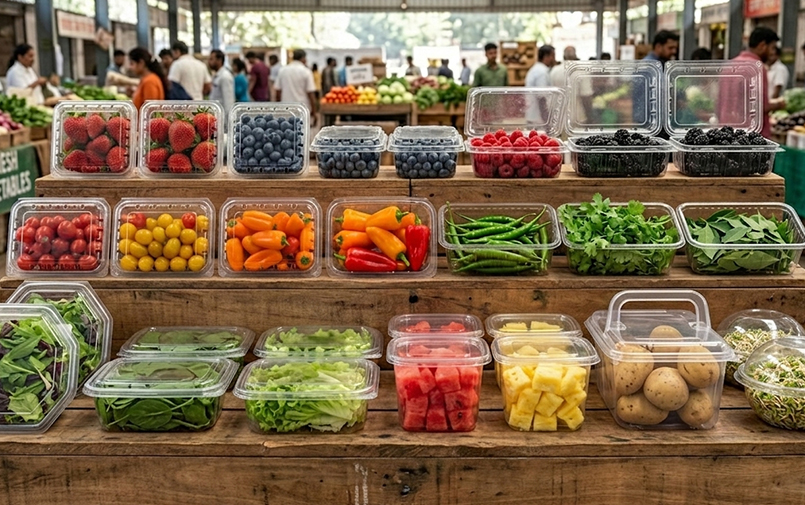
Exporters often choose from multiple punnet box formats depending on crop type and destination country requirements.
1. Ventilated Open Punnet Box
Ideal for high-respiration produce like berries and mushrooms.
2. Hinged Lid Plastic Punnet Box
Provides added protection and tamper resistance during retail distribution.
3. Heat-Sealable Punnet Pack Box
Used when exporters apply sealing films for retail branding and extended shelf life.
4. High-Strength Export Punnet Box
Designed for long sea freight shipments with enhanced load-bearing strength.
Working with experienced punnet box suppliers ensures the right format is selected based on:
- Transit duration
- Cold storage conditions
- Retail handling requirements
- Target export market standards
Key Buyer Queries About Punnet Packaging
Exporters and bulk buyers usually ask specific technical and operational questions. Addressing these clearly helps improve confidence and decision-making.
What Sizes Are Available?
Punnet boxes are typically available in multiple sizes, including:
- 125g
- 250g
- 500g
- 1kg
Customization options are also possible based on crop type and export market requirements.
Are They Suitable for Cold Storage?
Yes. A well-manufactured punnet box maintains structural integrity under refrigerated conditions and supports cold chain logistics.
Can They Be Customized?
Professional punnet box suppliers offer:
- Custom ventilation patterns
- Branding embossing
- Color variations
- Label-friendly surfaces
Customization enhances brand visibility in international retail markets.
Are They Export-Ready?
Export-ready punnet pack box solutions are:
- Uniform in dimensions
- Packed in bulk cartons
- Designed for pallet compatibility
- Suitable for containerized transport

Sustainability and Evolving Packaging Standards
Global markets are increasingly focusing on sustainable packaging solutions. Exporters must align with evolving environmental expectations.
Leading punnet box suppliers are adapting by:
- Reducing material thickness without compromising strength
- Offering recyclable material options
- Optimizing design to reduce overall plastic usage
While plastic remains dominant due to durability and food safety advantages, innovation in lightweighting and recyclability, like in the case of punnet boxes, is helping exporters meet sustainability conversations with confidence.
How Punnet Box Exporters Support Branding and Retail Appeal
Packaging is not just functional. It plays a key role in shelf presentation.
A clear and well-designed punnet box:
- Highlights freshness
- Enhances color visibility
- Supports retail labeling
- Builds brand trust
Retail buyers often judge produce quality based on packaging clarity and structural neatness. Deformed or fogged punnets reduce perceived value.
By working with experienced punnet box exporters, produce businesses can maintain consistent presentation across shipments.
Why Quality Control in Produce Packaging Cannot Be Compromised
Export markets often have strict inspection protocols. Packaging defects can result in:
- Shipment rejection
- Financial loss
- Brand damage
- Contract termination
A high-quality punnet pack box reduces risk by ensuring:
- Uniform thickness
- Smooth finishing
- Crack resistance
- Lid-lock reliability
Consistency builds long-term trust between exporters and overseas buyers.
Common Export Challenges That the Right Punnet Box Solves
Fresh produce exporters frequently face operational risks that impact shipment quality and profitability.
A well-designed punnet box helps address:
• Condensation Build-Up
Strategic ventilation reduces moisture accumulation.
• Produce Bruising
Rigid sidewalls protect delicate fruits.
• Stack Collapse
Uniform structural strength improves pallet stability.
• Inspection Rejections
Using food grade plastic containers supports regulatory compliance.
• Retail Shelf Damage
Tamper-resistant plastic punnet box designs prevent lid openings.
By solving these operational issues, reliable punnet box suppliers directly improve exporter margins and reduce loss percentages.
Choosing the Right Punnet Box Suppliers for Your Export Business
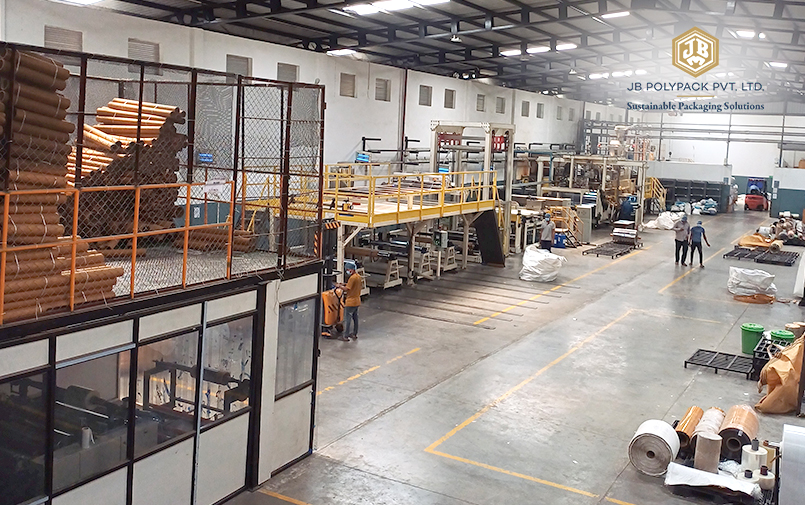
Not all suppliers understand export-grade requirements. When selecting punnet box suppliers, exporters should evaluate:
Manufacturing Capacity
Can the supplier handle large seasonal orders without delay?
Quality Assurance
Are there documented quality checks in place?
Customization Flexibility
Can they adjust size, ventilation, and design as per export buyer needs?
Delivery Reliability
Timely delivery is critical during peak harvest seasons.
Industry Experience
Suppliers familiar with produce packaging understand real-world shipping challenges.
A dependable supplier becomes an operational partner, not just a vendor.
How to Choose the Right Punnet Box Suppliers for Export Orders
Selecting the right punnet box suppliers impacts both operational efficiency and export credibility.
Exporters should evaluate:
Manufacturing Infrastructure
Can the supplier maintain uniform thickness and structural consistency?
Production Capacity
Are they equipped to handle seasonal demand spikes?
Customization Capability
Can the punnet pack box be tailored to carton dimensions and branding needs?
Quality Testing
Is load-bearing strength tested for export conditions?
Supply Reliability
Timely delivery during harvest season is critical.
A supplier that understands export-specific produce packaging challenges becomes a long-term strategic partner rather than just a packaging vendor.
How JB Polypack Supports Export-Ready Punnet Box Manufacturing
For exporters seeking reliable punnet box solutions, manufacturing expertise plays a decisive role. Precision molding, uniform raw material sourcing, and strict quality control processes ensure that every punnet box performs under real-world shipping conditions.
At scale, consistency is everything. Exporters need confidence that every batch meets the same structural and dimensional standards.
By focusing on durability, ventilation design, and export compatibility, JB Polypack supports exporters in strengthening their global supply chains with dependable plastic punnet box solutions.
Exporters looking for reliable produce packaging solutions often evaluate supplier capabilities such as molding precision, bulk supply consistency, and structural testing standards. A well-designed punnet box improves both product safety and retail presentation, strengthening overall export performance.
The Future of Produce Packaging in International Trade
Global trade is evolving. Buyers expect:
- Safer packaging
- Stronger structural integrity
- Sustainable considerations
- Retail-ready presentation
The humble punnet box continues to adapt to these expectations.
As exporters expand into new markets, packaging quality becomes part of their competitive positioning. Reliable punnet box suppliers help bridge the gap between farm-level freshness and retail-level excellence.
Strengthening Global Exports with Export-Ready Produce Packaging
In international produce trade, packaging is strategy.
A high-quality punnet box protects freshness, meets food safety expectations, supports cold chain logistics, and enhances retail visibility. For exporters navigating strict import regulations and global shipping standards, dependable punnet box suppliers are essential partners.
By investing in the right plastic punnet box solutions, exporters can reduce damage, improve buyer confidence, and strengthen their global presence.
For businesses looking to scale exports safely and efficiently, the right produce packaging partner is not optional. It is foundational.
If you are exploring export-ready punnet pack box solutions that align with global standards and bulk requirements, partnering with experienced punnet box exporters can help you ship smarter, safer, and stronger.
Frequently Asked Questions About Punnet Box for Export Produce
What is the purpose of a punnet box in fruit packaging?
A punnet box protects delicate produce, provides ventilation, and maintains freshness during storage and international shipping.
Are plastic punnet box solutions suitable for export shipments?
Yes, export-grade plastic punnet box designs are manufactured for durability, stack strength, and cold chain compatibility.
How do punnet box suppliers ensure food safety?
Reputable punnet box suppliers use food grade plastic containers standards and maintain hygienic production environments.
Can punnet pack box sizes be customized for export cartons?
Yes, most professional punnet box exporters offer size customization to optimize carton packing and pallet efficiency.
What produce is commonly packed in a punnet box?
Berries, cherry tomatoes, grapes, mushrooms, baby vegetables, and herbs are commonly packed in a punnet box for export markets.
Punnet Box Guide: The Smart Packaging Solution for Fresh Grapes
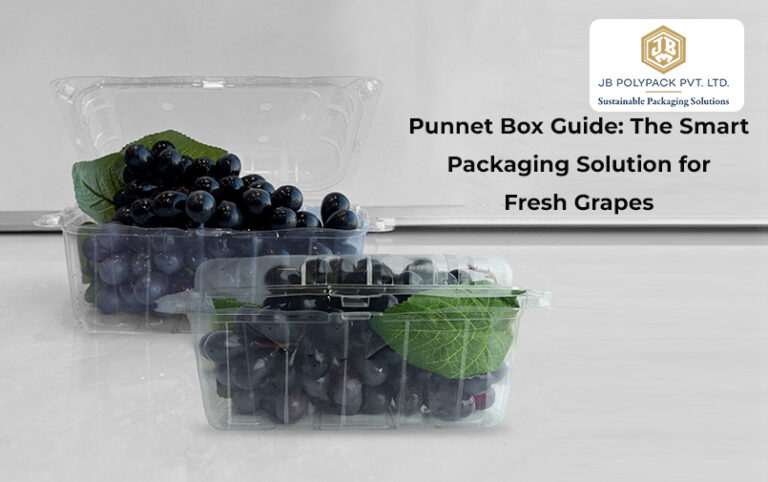
In the world of fresh fruit packaging, the punnet box has become a fundamental choice for growers, packers, and retailers who want reliable, attractive, and safe packaging for produce. If you are a manufacturer, distributor, or quality manager working with grapes or other delicate fruits, you know the impact that packaging quality has on product safety, shelf appeal, and supply chain efficiency. Today, we will explore all the details that matter about the punnet box and why it is a smart solution for fresh grapes.
What Is a Produce Punnet and Why It Matters
A punnet box is a type of plastic container designed specifically for fresh produce. These containers hold fruit securely while allowing air circulation, visibility, and strength that protect contents during handling, transportation, and display. For fresh grapes, the right punnet box can mean the difference between fruit that arrives bruised and fruit that arrives intact, juicy, and ready for sale.
Growers and packers have shifted toward modern packaging solutions because traditional trays, cartons, or loose stacking just do not provide consistent protection. A punnet box offers structure and transparency that consumers trust. It also makes inventory control easier for packhouses.
The design of a punnet box keeps grapes in place. The stable base reduces rolling and pressure that can cause bruising. The ventilation windows help regulate humidity and airflow. This level of care protects freshness and quality.
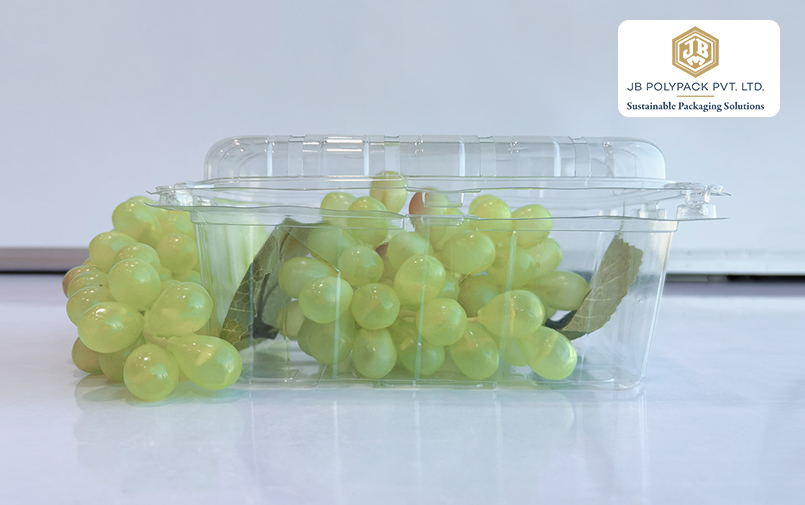
The Rise of Plastic Punnets in Fruit Packaging
Plastic punnets have become more popular across the globe. They are available in multiple sizes, thicknesses, and configurations. For grapes, a plastic punnet gives the strength needed to withstand handling, refrigeration, and stacking without collapsing.
Why Manufacturers Choose Plastic Punnets
The choice of plastic punnets comes down to results. These containers balance protection and visibility. They allow a consumer to see a box of grapes clearly, encouraging purchase.
A plastic punnet can be molded in shapes that hold fruit gently. Soft grapes need stability but they also need a shape that does not press too tightly against the skin of the fruit. Plastic delivers this control.
From a packer’s perspective, plastic fruit punnets help streamline production lines. They are easy to fill with automated equipment and stack well on pallets. They also withstand cold rooms and shipment racks.
Packaging engineers value plastic punnets because they can be designed with ventilation that matches the respiration needs of the fruit. When airflow is right, grapes stay firmer longer. This benefit extends shelf life and reduces product loss.
Box Grapes: How Packaging Affects Retail Performance
When grapes arrive at retail, their first impression is everything. A well-designed grapes box catches the buyer’s eye while keeping the fruit pristine.
The way a box of grapes looks matters in busy produce aisles. Shoppers compare freshness mainly by sight and feel. A clean, transparent plastic punnets solution with firm corners and clear surfaces signals quality.
Retailers appreciate containers that stack securely and do not crush under pressure from adjacent boxes. The structural integrity of a punnet box means fewer returns and more satisfied customers.
What to Look for in a Good Grapes Box
There are a few major factors to consider when choosing a grapes box for packaging and distribution:
Strength and Thickness
A strong box prevents damage. Thickness plays a role in structural integrity. Too thin and the box can collapse under weight. Too thick and it adds unnecessary cost and material.
The right thickness supports the natural weight of the grapes plus any pressure from stacking.
Size and Fit
Fruit comes in different volumes and cluster sizes. A one-size-fits-all approach does not work. That is where the ability to produce punnet box in a variety of sizes becomes important.
At JB Polypack we offer a wide range of punnet box sizes and can customize dimensions and wall thickness according to exact industry needs. Whether your line requires a standard 250 gram tray or a larger 1 kilogram pack, we adjust the design.
Ventilation Pattern
Air circulation keeps grapes from sweating. Excess moisture can lead to mold. Thoughtful ventilation patterns reduce condensation. Our plastic punnets are engineered with holes placed where airflow makes the most difference for grapes.
Visibility and Branding
Clear plastics help brands show off their fruit. The transparency of a punnet helps consumers see color and condition. That alone can drive higher sell-through rates.
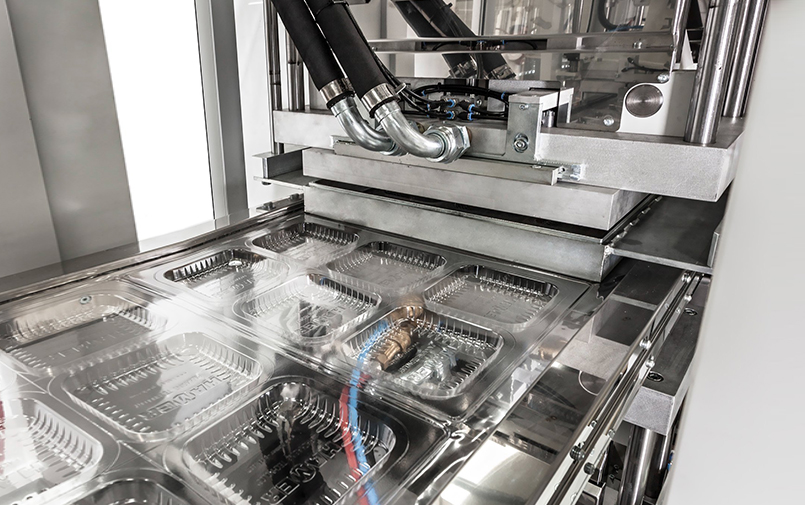
A Deep Dive Into What Makes the Punnet Box A Smart Choice For Fruit Packaging
For the fruit packaging industry, the punnet box is more than a container. It is a tool that drives efficiency, reduces waste, and supports product quality from packing lines to consumer hands.
How Plastic Punnets Improve Packing Efficiency
With traditional packaging, workers often spent extra time adjusting fruit to fit trays or cartons. The consistency of a punnet box means workers spend less time fitting product and more time moving pallets down the line.
Automated fillers and conveyors can handle plastic fruit punnets with ease. The uniform shape allows machines to pick, fill, and seal with precision. This reduces labor cost and speeds up packing throughput.
For companies that ship large volumes, even small improvements in packing speed can reduce cost per unit significantly.
Protection in Transit
Transport conditions vary a lot. Refrigerated trucks, long hauls, handling from warehouse staff, and loading at distribution centers all affect how fruit arrives at its destination. A strong punnet box protects grapes from bruising and crushing.
Rigid sides and stable bases help a box of grapes handle vibration and shifting. Even minor movements during shipment can damage fruit without good packaging.
Better Shelf Life
Grapes need airflow to maintain freshness. The unique design of plastic punnets allows air circulation while shielding fruit from direct impact.
This is where the ventilation system of a punnet box really makes a difference. Strategic openings allow moisture to escape and cool air to flow. When grapes remain cool and dry, they stay firm and fresh longer.
How Buyers Evaluate a Punnet Box Before Finalizing Packaging
When procurement teams evaluate a punnet box, the decision rarely comes down to price alone. Experienced buyers look at how different thermoforming packaging behaves across the entire supply chain.
They assess how the box of grapes sits during pallet stacking. They check whether ventilation stays effective in cold rooms. They observe if the plastic maintains shape after hours of transport. These details influence fruit quality more than appearance alone.
For exporters, consistency matters. A grapes box that performs well in one shipment must perform the same way every time. That consistency reduces claims, rejections, and repacking costs.
Buyers also consider operational ease. Plastic punnets that work smoothly on packing lines reduce stoppages and manual handling. Over time, this efficiency becomes a deciding factor.
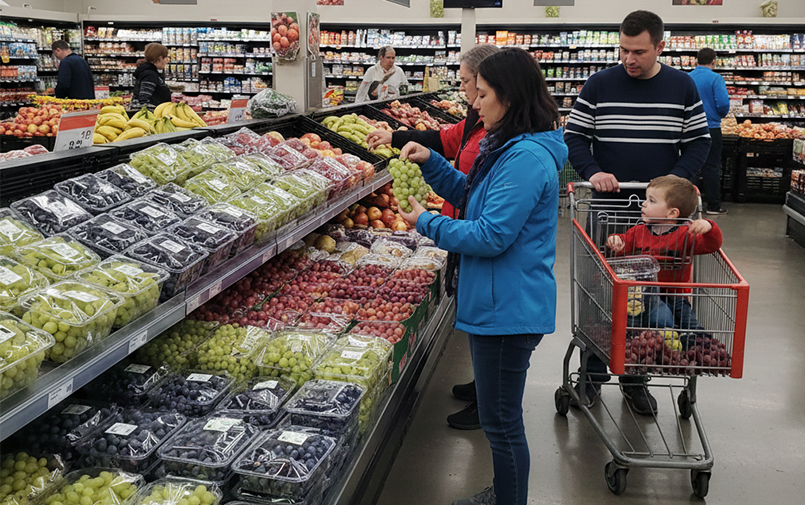
Beyond Grapes: Other Fruits That Benefit from Punnet Boxes
While this guide focuses on grapes, the principles apply to many other fruits.
Berries and Soft Fruits
Strawberries, blueberries, raspberries, and blackberries share similar packaging needs. These fruits bruise easily and need gentle support. A plastic punnet designed for grapes can often be adapted to support these berries well.
Cherries
Cherries have stems and delicate skins. A punnet box that supports the curve and holds fruit individually reduces pressure points and bruising.
Stone Fruits and Small Citrus
Smaller amounts of nectarines, apricots, or mandarins take advantage of sturdy plastic punnets when traditional boxes would be too large or inefficient.
Growers choose plastic fruit punnets because they match the life cycle of these products from cool room to retail shelf.
Horizons in Punnet Box Packaging
Innovation in fruit packaging continues. Today’s markets demand solutions that combine sustainability, strength, and cost efficiency.
Sustainability Advances
Plastic punnets have sometimes been misunderstood. However, modern manufacturing techniques are improving recyclability and material efficiency. Plastic punnets can be designed using PET that is widely accepted in recycling streams. When consumers and retailers recycle these containers, value returns to the supply chain.
At JB Polypack, our thermoforming processes produce durable punnet box solutions that respect material efficiency and help brands reach their sustainability goals.
We offer choices that help you balance strength and environmental performance.
Customization for Market Needs
No two fruit varieties are the same. This is why we tailor the size and thickness of our punnet box offerings. Some customers need a thicker wall for export markets. Others want a lighter tray for domestic retail. We can align with your unique specification.
Customization includes:
- Specific tray dimensions
- Variable wall thickness
- Tailored ventilation hole patterns
- Custom branding options for visibility
Every detail supports product safety and brand appeal.
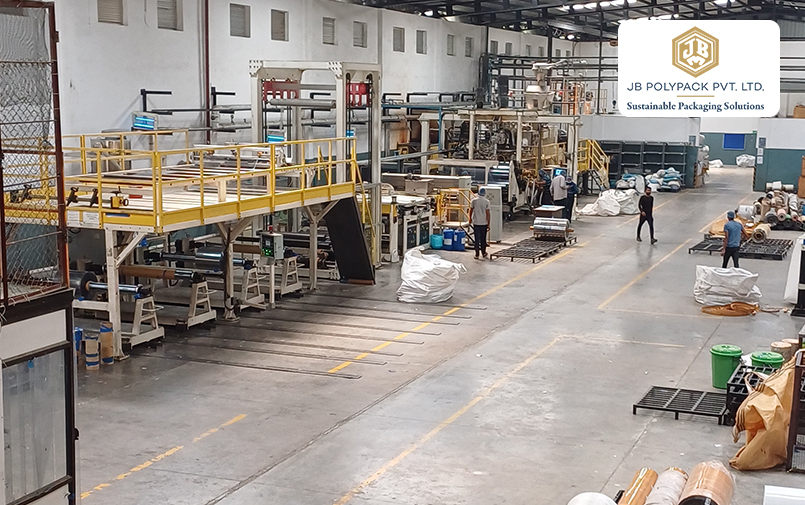
Why Consistency in Punnet Box Manufacturing Matters at Scale
At small volumes, minor variation in packaging may go unnoticed. At scale, even slight inconsistency in a punnet box can affect packing speed, stacking strength, and storage efficiency.
Consistent wall thickness ensures every plastic punnet behaves the same on conveyors and pallets. Uniform dimensions help cartons stack evenly. Predictable rigidity protects fruit across shipments.
Manufacturers who supply large volumes of box grapes depend on this consistency. It allows operations teams to plan confidently and avoid packaging-related disruptions during peak seasons.
How to Choose the Best Punnet Box Supplier
When selecting a partner for plastic punnets and fruit packaging, manufacturers look for reliability, quality, and responsiveness.
Here are a few questions to ask:
- Can the supplier provide a variety of sizes and punnet box thicknesses?
- Do they offer quick turnaround and consistent delivery schedules?
- Are their punnets engineered with the right ventilation and structural design for your fruit?
- Can they support custom branding or specific supplier requirements?
At JB Polypack we work with brands across fruit categories. Our capacity to deliver consistent quality at scale means fewer supply interruptions. We support fruit producers who ship domestically and internationally.
Punnet Box Packaging for Fresh Grapes
Packaging is often overlooked until there is a problem. When you choose the right punnet box for fresh grapes and other produce, every step in the supply chain improves.
Your fruit arrives at retail in the condition you expect. Retailers see fewer returns. Consumers find fresh fruit that looks and tastes great. Your brand builds trust.
From packaging design to production, every decision matters. Plastic punnets help create safer fruit handling. They streamline packing lines. They support shelf life and visual appeal.
If you want to elevate how your grapes are packaged and perceived, the right punnet box is central to that success.
At JB Polypack, we specialize in tailoring plastic punnets to your exact needs. We produce grapes box solutions that match your line, your product, and your quality standards. Our team focuses on precision, responsiveness, and packaging that works harder for you.
Choose smart packaging solutions for your fresh fruit. Choose reliability. Choose clarity. Choose quality.
Frequently Asked Questions About Punnet Box Packaging
These FAQs are built around real queries from buyers, exporters, and packaging teams.
Q1. What size punnet box is best for fresh grapes?
The ideal punnet box size depends on how grapes are sold and transported. For retail shelves, smaller formats between 250 grams and 500 grams are common. For bulk movement within supply chains, larger formats work better. The key is matching the box depth and ventilation to the grape variety so clusters sit naturally without pressure. Many packers choose custom sizes to reduce fruit movement during transit.
Q2. Are plastic punnets safe for food-grade grape packaging?
Yes. Food-grade plastic punnets made from PET are widely used in the fruit packaging industry. PET is considered safe for direct food contact and performs well in cold storage and transport environments. When manufactured under controlled conditions, these containers meet hygiene and safety expectations for fresh produce.
Q3. How does a punnet box help extend grape shelf life?
A well-designed punnet box supports shelf life by allowing controlled airflow around the fruit. Ventilation holes reduce moisture buildup, which helps prevent spoilage and fungal growth. The rigid structure also minimizes bruising, which is a major cause of early fruit deterioration.
Q4. Can the same punnet box be used for other fruits?
Yes. Many punnet box designs are suitable for multiple fruits. Apart from grapes, these boxes are commonly used for berries, cherries, plums, and smaller citrus varieties. The suitability depends on fruit weight, sensitivity, and airflow needs. Some customers use the same mold across seasons for different fruits.
Q5. What thickness should a grapes box have?
Thickness depends on stacking height, transport distance, and fruit weight. A grapes box meant for export or long-distance transport usually requires higher rigidity. Domestic distribution may allow lighter thickness. Manufacturers often test different wall thicknesses to balance protection and material efficiency.
Q6. Are plastic fruit punnets recyclable?
Most plastic fruit punnets made from PET are recyclable when collected and processed correctly. PET is one of the most widely recycled plastics globally. Many brands now prefer PET punnets because they align better with circular packaging goals.
Q7. Can punnet boxes be customized for branding or ventilation?
Yes. Punnet box manufacturing allows customization in size, shape, ventilation pattern, and sometimes branding features like embossing or labeling compatibility. Customization helps brands stand out while still meeting functional requirements for fruit safety.
PET Packaging Strap Explained: Benefits, Uses & Sustainability Impact
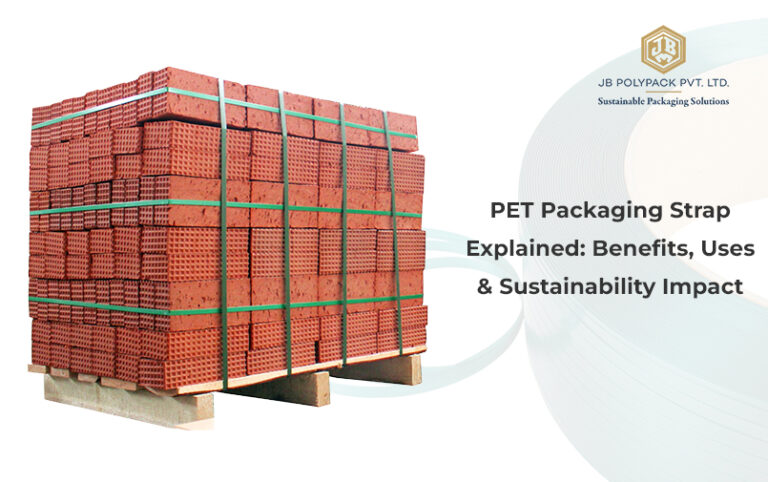
If you walk through a warehouse at 9 am, before the forklifts warm up and before the loading bays get noisy, you start noticing small things. Pallets stacked neatly. Cartons pulled tight. Bundles that look calm, secure, and ready to travel.
Most people look at the product on the pallet. People in packaging look at what’s holding it together.
That thin, strong band doing the quiet work is often a PET packaging strap. It does not announce itself. It does not look impressive at first glance. But anyone who has seen a shifted pallet halfway through transport knows how much depends on it.
At JB Polypack, we have spent years working with manufacturers, exporters, logistics teams, and plant managers who all ask the same thing in different ways. Will this strap hold? Will it behave the same in summer heat? Can it replace steel without creating new problems? Can it align with sustainability goals without compromising safety?
This guide exists to answer those questions clearly, practically, and honestly.
What Is a PET Packaging Strap and Why Industries Switched to It
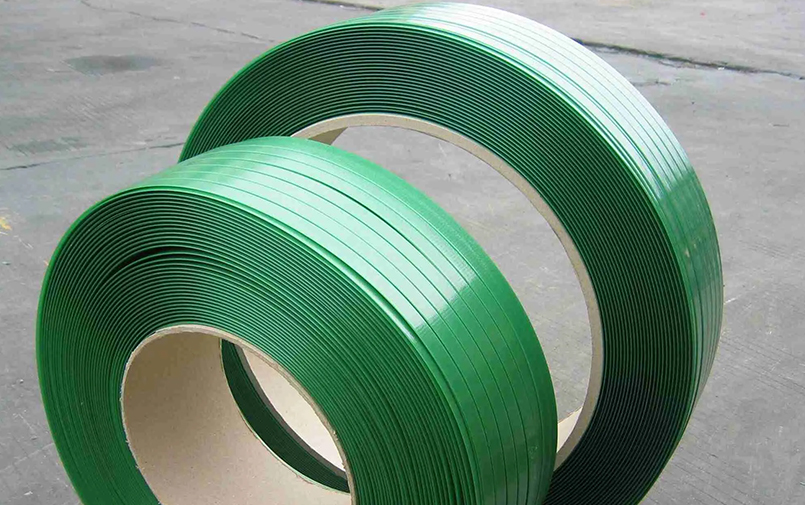
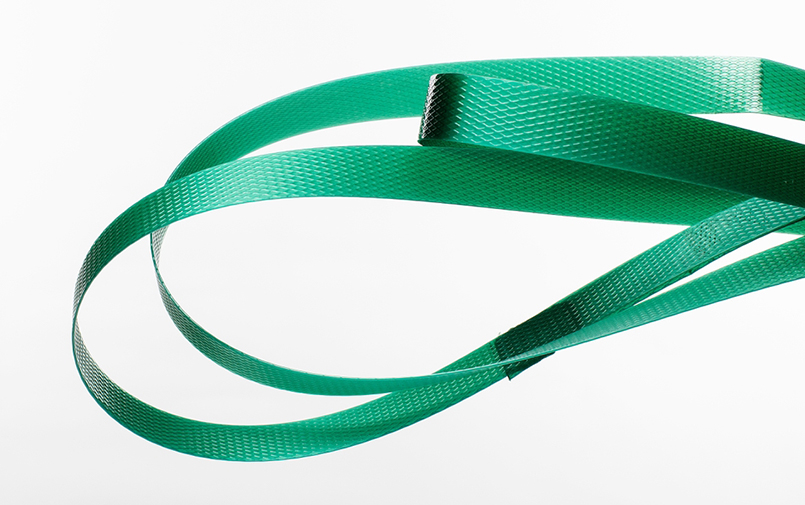
A PET packaging strap is a strapping solution manufactured from polyethylene terephthalate. In simpler terms, it is a high strength plastic strapping material designed to secure loads during storage and transportation.
What made industries pay attention to PET was not marketing. It was fatigue with older systems.
Steel strapping caused injuries, rust issues, and handling problems. Conventional plastic strapping struggled with tension retention and long-term load stability. PET stepped into that gap quietly and proved itself over time.
A PET strap behaves differently under stress. It stretches slightly, absorbs shock, and returns to form instead of snapping. This matters when goods move across uneven roads or sit in warehouses that experience temperature shifts.
Over time, manufacturers noticed fewer load failures, safer handling, and lower overall strapping costs. That is how adoption spread.
How PET Strap Works in Real Packaging Conditions
A PET packaging strap does not rely on rigidity alone. Its strength comes from controlled elongation and recovery.
When a pallet experiences vibration or impact, the strap stretches and absorbs the force instead of transferring it directly to the product. Once the stress passes, the strap recovers its tension.
This behavior makes plastic strapping made from PET especially suitable for long-distance transport, export shipments, and heavy loads that settle over time.
That is also why a PET packing belt performs better than many alternatives in automated and semi-automated strapping lines. Consistency matters more than brute force.
PET Strap vs Traditional Plastic Strapping
Not all plastic strapping performs the same way.
Polypropylene straps work well for light cartons and short-term bundling. Once loads become heavier or travel becomes longer, limitations show up.
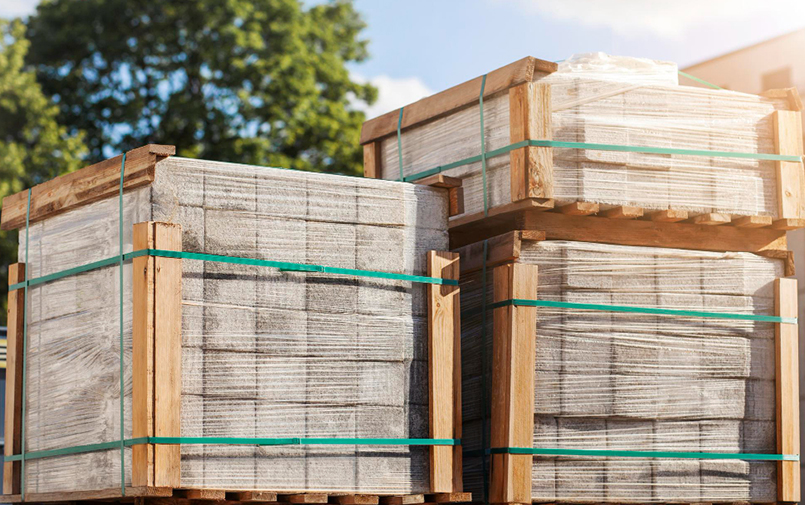
A PET strap maintains tension far better over time. It handles temperature variation. It resists moisture. It holds loads stable even after days or weeks in transit.
This is why industries handling bricks, tiles, cotton bales, lumber, metal coils, and FMCG pallet loads gradually moved toward polyester PET strap solutions.
Industries That Rely on PET Packaging Strap Every Day
A PET packaging strap rarely serves only one industry. Its value shows up wherever load integrity matters across industries.
Construction and Building Materials
Cement bags, bricks, ceramic tiles, and stone slabs demand strapping that can handle weight and shock. PET straps manage this without damaging product edges.
FMCG and Consumer Goods
Stacked cartons require uniform tension and safety during handling. PET straps integrate well with automated systems.
Textile and Cotton Bales
Load settling is common in textile transport. PET absorbs movement without slackening excessively.
Metal and Industrial Goods
Metal coils and pipes benefit from PET’s strength without the handling risks associated with steel.
Across these industries, PET packaging strap adoption happened through experience, not persuasion.
Understanding Green PET Strap and Sustainability Impact
Sustainability conversations in packaging often feel abstract. On the factory floor, sustainability shows up as material choices, waste streams, and compliance pressure.
A green PET strap is produced using recycled PET material, often derived from post-consumer bottles. This creates a direct loop between waste recovery and industrial application.
Using recycled PET reduces dependency on virgin raw material. It lowers carbon footprint. It also supports Extended Producer Responsibility goals that many industries now operate under.
At JB Polypack, sustainability is not a label. It is a supply chain decision. Every green PET strap we manufacture aligns with traceable material sourcing and consistent mechanical performance.
Why Quality Standards Matter in PET Packaging Strap Manufacturing
Manufacturers using PET packaging strap often operate under strict internal quality audits and external compliance requirements. Consistency in strap dimensions, tensile strength, and elongation behavior directly affects load safety and machine efficiency.
Industry bodies such as the Plastics Industry Association and European PET Bottle Platform emphasize controlled manufacturing processes and traceability for PET-based industrial products. These principles also apply to plastic strapping used in high-load and export environments.
At JB Polypack, production parameters are monitored to maintain repeatable performance across batches. This helps customers avoid unexpected failures, machine stoppages, and transport damage.
PET Strapping and Circular Economy Systems
PET has one significant advantage over many materials. It can be recycled multiple times without severe degradation.
A PET packaging strap made from recycled PET can itself be recycled again after use, depending on collection and processing systems.
This places PET strapping firmly within circular economy frameworks. It supports material recovery instead of disposal.
For companies managing compliance, ESG reporting, or export documentation, this matters more each year.
Strength, Thickness, and Size Options in PET Packing Belt Manufacturing
One of the most common questions we receive is simple and direct. Can you make it to our specification?
The answer is yes, because a PET packing belt only works when it matches the load, application method, and operating environment.
At JB Polypack, we manufacture PET strapping in multiple widths, thicknesses, and tensile strengths. This allows us to serve both light duty and heavy industrial requirements.
Specifications typically vary based on:
- Load weight
- Strapping machine compatibility
- Manual or automatic application
- Required break strength
- Environmental exposure
A PET packaging strap that works perfectly for FMCG pallets may not suit steel coil bundling. Customisation is not optional. It is essential.
How JB Polypack Manufactures PET Packaging Strap for Real Industry Conditions
At JB Polypack, PET strapping is not treated as a generic packaging accessory. It is treated as a load-bearing component that must perform consistently across industries, machines, and environments.
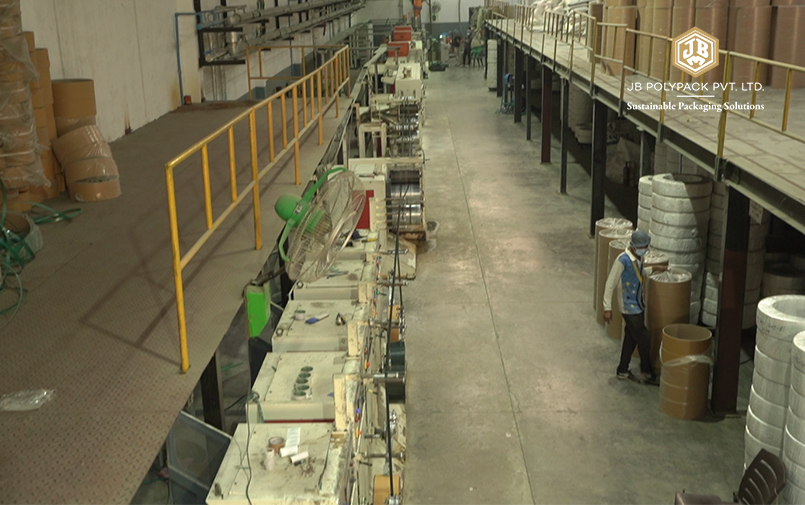
Our manufacturing setup allows us to produce PET packaging strap rolls in multiple widths, thicknesses, and tensile strength ranges based on application needs. This includes light-duty strapping for FMCG pallets as well as heavy-duty requirements for construction materials, metal products, and export cargo.
Each PET packing belt is manufactured using controlled extrusion and cooling processes to ensure uniform thickness and smooth edges. This consistency directly affects how the strap behaves during tensioning, sealing, and long-distance transport.
We also manufacture polyester PET strap variants using recycled PET raw material sourced through verified channels. This enables us to support customers looking for a reliable green PET strap solution without compromising mechanical performance.
JB Polypack works closely with customers to align strap specifications with strapping machines, handling practices, and load behavior. This practical alignment is what allows our PET packaging strap products to perform reliably on real shop floors, not just in specification sheets.
Consistency Matters More Than Maximum Strength
Many buyers focus on peak tensile strength numbers. Real performance depends on consistency.
A polyester PET strap must maintain uniform thickness, smooth edges, and controlled elongation. Variations lead to machine issues, uneven tension, and unexpected failures.
This is why manufacturing control matters. Raw material quality, extrusion calibration, and cooling processes directly affect field performance.
At JB Polypack, every PET strap batch is produced with strict monitoring because consistency keeps operations predictable.
PET Strap Compatibility with Strapping Machines
A PET strap interacts constantly with machinery. Poor compatibility causes downtime.
Our strapping rolls are designed to work with:
- Fully automatic strapping machines
- Semi-automatic systems
- Manual tensioning tools
Dimensional accuracy ensures smooth feeding and sealing. This reduces maintenance issues and operator frustration.
When a PET packaging strap runs cleanly through machines, production stays on schedule.
Safety Advantages of PET Strapping Over Steel
Workplace safety often improves quietly.
Unlike steel, PET does not snap back violently when cut. Edges remain smoother. Handling becomes less risky.
For teams strapping hundreds of pallets daily, these small improvements add up. Fewer injuries. Faster handling. Less fatigue.
This safety factor is one of the strongest reasons many plants never go back after switching to PET strap solutions.
But the advantages of PET strap roll over steel straps doesn’t end here.
Cost Efficiency Beyond the Per Roll Price
Looking only at purchase price misses the full picture.
A PET packaging strap often replaces steel at lower weight and similar strength. Transportation costs drop. Handling improves. Waste disposal becomes easier.
Long-term savings show up in reduced damage, fewer injuries, and smoother operations.
This is why procurement teams increasingly evaluate total cost of ownership instead of unit cost alone.
PET Packaging Strap and Export Readiness
Export shipments introduce complexity. Long transit times. Variable climates. Multiple handling points.
A PET packaging strap performs reliably across these conditions. It resists moisture. It tolerates heat variation. It maintains tension over long durations.
Exporters value predictability more than anything else. PET provides it.
Why Manufacturers Choose JB Polypack for PET Strap Supply
At JB Polypack, we do not treat PET strapping as a commodity. We treat it as a performance component.
Our approach combines:
- Recycled PET sourcing expertise
- Controlled manufacturing processes
- Custom size and thickness capability
- Industry-specific understanding
Every PET packaging strap we supply reflects real use cases, not theoretical standards.
Common Buyer Questions About PET Strap Answered
How long does PET strapping last in storage
Properly stored PET straps retain performance for extended periods without degradation.
Can PET strap replace steel for heavy loads
Yes, when specified correctly for width and thickness.
Is green PET strap as strong as virgin material
When processed correctly, recycled PET delivers consistent strength suitable for industrial use.
Does PET strap work outdoors
PET handles moisture and temperature variation effectively.
These questions come from real buyers, not search tools. We answer them because we encounter them daily.
PET Packaging Strap as a Long Term Packaging Decision
Choosing a PET packaging strap is rarely a one-time decision. Once systems adapt and teams gain confidence, it becomes part of standard operations.
It supports safety, sustainability, and reliability without demanding attention.
That is the quiet success of PET strapping.
How to Choose the Right PET Strap for Your Application
Before finalizing a PET strap, buyers should evaluate:
- Load weight and pallet configuration
- Required strap width and thickness
- Manual or machine strapping method
- Storage and transport conditions
- Sustainability or recycled material preferences
Selecting the correct PET packaging strap based on these factors improves load stability and reduces long-term operational issues.
Thoughts from the Factory Floor
If packaging fails, nothing else matters. Product quality, branding, logistics planning all become irrelevant when loads shift or break.
A PET packaging strap does not seek attention. It earns trust through performance.
At JB Polypack, our role is simple. Make sure the strap does its job every single time.
That is how industries move forward, one secured pallet at a time.
Frequently Asked Questions About PET Packaging Strap
What is a PET packaging strap used for?
A PET packaging strap is used to secure pallets, bundles, and heavy loads during storage and transportation across industries such as FMCG, construction, textiles, and metals.
Is PET strap stronger than other plastic strapping options?
A PET strap offers higher tensile strength and better tension retention compared to many conventional plastic strapping materials.
Can green PET strap be used for heavy industrial loads?
Yes, a properly manufactured green PET strap made from recycled PET can deliver reliable strength for many industrial applications.
Does PET packing belt work with automatic strapping machines?
A PET packing belt manufactured with consistent dimensions works well with automatic and semi-automatic strapping machines.
Is PET strap suitable for export shipments?
PET strap performs well in export conditions due to its resistance to moisture, temperature variation, and load movement.
Republic Day at JB Polypack: Sustainability, Responsibility, and the Future of Packaging
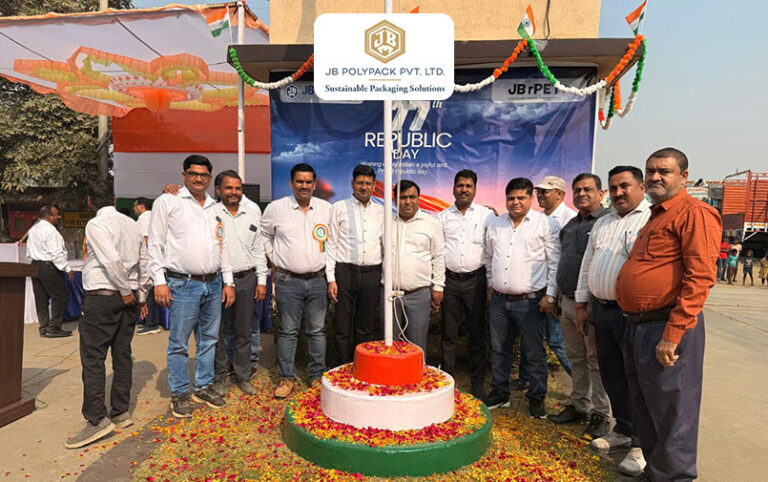
Republic Day at JB Polypack felt less like an event and more like a shared pause.
Work slowed down for a bit as the national flag was hoisted at the premises. A small moment, but one that quietly set the tone for the day. It reminded us that the work we do here travels far beyond these walls. It travels into supply chains, into everyday products, and into how resources are used and reused.
There were a few words shared by our leadership. Just their honest thoughts on where we’re headed and why sustainability continues to matter in everything we build. Packaging today isn’t only about strength or efficiency. It’s about responsibility, about choosing materials and processes that make sense not just now, but years down the line.
From PET Sheets and thermoformed Packaging to strapping solutions, the focus remains simple, make reliable packaging solutions and make it easier to keep materials in circulation. The gathering brought together people from across the floor and offices. It was a reminder that progress doesn’t always come from big announcements. Sometimes, it comes from showing up every day and doing things a little better.
Republic Day gave us that reminder, and we carry it forward in how we design, manufacture, and think about the future of packaging.

Why Leading Exporters Are Shifting to PET Plastic Punnets for Grapes & Berries
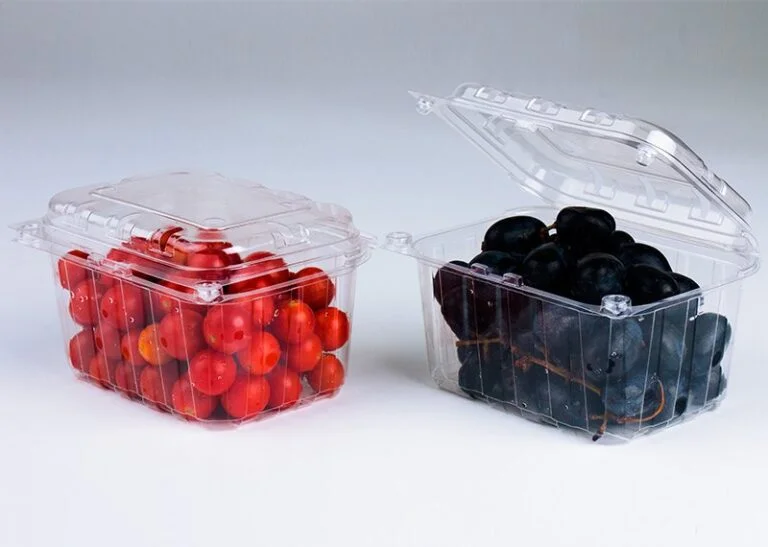
Packaging in the trade of fresh produce is more than containment in global trade. In the case of very perishable fruits like grapes and berries, packaging directly determines shelf life, regulatory acceptance, and brand reputation.
With the increase in the volume of exports and the strictness of the inspection of the quality of products, the traditional packaging formats often cannot meet the modern demands, and the exporters turn to the usage of PET plastic punnets as a more stable and comfortable alternative.
PET Plastic Punnets Fresh Fruit Exports
The export markets such as the European Union, the Middle East, and East Asia put strict measures on food safety and presentation. The packaging should be able to protect the fruit without violating food-contact laws.
PET- polyethylene terephthalate is widely used in packaging food, provided it is produced under certified conditions. In the United States, food-grade PET that is to be used in direct food contact must meet the food-contact requirements of the U.S. FDA in 21CFR177.1630. Food contact PET packaging in the European Union has to meet the requirements of the EU food-contact plastics regulation (EU) No 10/2011, regulated by the food-contact materials framework of the European Food Safety Authority.
Adherence to these rules allows exporters to move produce across borders without having to face delays in regulations and rejection of shipments.
PET Plastic Punnets -The way Punnets are kept fresh and of quality
Soft fruits are very vulnerable in long-distance transportation. Fruits like grapes and berries have a significant post-harvest loss, according to food-loss and waste statistics of the Food and Agriculture Organization of the United Nations (FAO), which is due to mechanical damage and moisture imbalance.
PET plastic punnets can reduce such risks through their structural rigidity and controlled ventilation. Ventilation characteristics enable air to circulate within the package, thereby controlling humidity and minimizing condensation. As summarized in research studies on postharvest physiology and moisture-management, it is shown that moisture control is needed to maintain freshness throughout long distribution times.
PET punnets do not collapse when stacked as compared to flexible packaging. This hardness limits the movement of the fruits during transportation and reduces bruising in cases where cartons are packed in exporting situations. Comparisons in the industry of rigid and flexible packaging always show greater protection to fragile produce when rigid packaging is used in high-density logistic conditions.
Sustainability and Recycling Concerns
Sustainability has become a critical factor in packaging decision-making, especially in those export markets that have a well-established recycling system. PET plastic punnets are completely recyclable, and they are well-accepted in the current waste-management systems.
Information released by Plastics Europe in Plastics the Facts, along with advice that the Association of Plastic Recyclers (APR) has on the recyclability of PET, proves that PET is one of the most widely collected and recycled plastics in the world. The performance of recycling is also enhanced in Europe by the EU packaging-waste and recycling laws that enhance the end-of-life processing of PET materials.
Such a recycling ecosystem makes PET punnets a more plausible choice than multi-material packaging formats, which are difficult to recycle.
Transparency, Branding, and Consumer Trust
The visual inspection is key in the buying of fruits. PET punnets of plastic give a clear view of the products, and buyers, inspectors, and consumers can judge the quality of a product without opening it. Transparency thus builds trust in that it displays freshness as opposed to hiding it.
PET punnets also have flat and stable surfaces to label. Origin information, certifications, and traceability can be displayed prominently by the exporters. This is in line with the increasing demands of traceable food supply chains in the international markets.
Economical and dependable Operations
The cost of packaging has a direct influence on the costs of the supply-chain. FAO research on the contribution of packaging to minimize post-harvest losses shows that improved packaging design can minimize the rates of spoilage, curtail returns, and reduce handling losses, particularly of soft fruits.
PET plastic punnets can be used with automated fresh-produce filling and sealing systems, thus allowing the pack quality to be consistent ata large scale. Automation compatibility helps exporters dealing with large quantities, with strict shipment schedule,s and maintaining consistency in packaging.
Tactical Change with Industry Knowledge
With the increasing regulatory demands and the changing sustainability goals, exporters are reconsidering their long-term packaging strategies. PET plastic punnets will fit these priorities by offering regulatory compliance, uniform performance and recyclability without affecting the quality of fruits.
Other manufacturers like JB Polypack continue to innovate on the production of PET plastic punnets that fulfill the requirements of the export market, promote recycling goals, and maintain a steady quality control.
Conclusion
The shift to PET plastic punnets is driven by quantifiable benefits and not the market trends. PET punnets have the backing of regulatory acceptance, industry research, and operational performance to provide a reliable packaging solution to complex supply chains of grapes and berries exporters.
Through quality protection, compliance, waste reduction, and consumer confidence through informed packaging decisions, exporters are able to enhance their presence in the global markets.
Punnet & Hinge Box Packaging Produce Shelf Appeal
Concerning maintaining the fresh fruits, vegetables, and berries in their safest form and yet presenting good looks on the shelves at stores, there is perhaps nothing better than Punnet Packaging Boxes combined with the hinge box solutions. The combination has established itself as the number one preference of farmers, suppliers, and retailers desiring to provide protection to the product, enhanced shelf life, and a good customer viewpoint.
When it comes to selling strawberries in the local farmer’s market or blueberries in the high-end grocery store, how the produce has been packaged may be all that counts. What those Punnet Packaging Boxes do is more than just preserve products; it is an element in the customer experience in a very competitive retail world today.
The Reason Why The Punnet Packaging Boxes are Popular in the Fresh Produce Markets
Punnet packaging boxes are made in such a way that they preserve fragile commodities by allowing them sufficient air circulation. They usually have compact holes or breathing holes and let the fruits and vegetables stay fresh for longer intervals due to the circulation of air. This is essential for things such as a raspberry, grapes, or cherry tomatoes that are highly perishable due to a lack of airflow.
The other benefit is its capability to display the product. Numerous Punnet Packaging Boxes are produced out of transparent PET or rPET plastic, so the customers can check the freshness of it before they purchase it. Such openness encourages trust because the shoppers can better choose produce that they can see.
Protected Friend: Hinge Box Packaging:
As Punnet Packaging Boxes offers ventilation and visibility of products, hinge boxes offer the convenience and safety aspect. The lid is hinged directly on the bottom to prevent its loss. The design prevents the contents from being damaged when handling the package and also enables the customer to reseal the product easily.
In the case of retailers, hinge boxes eliminate the chances of tampering and spillage. And combined with punnets, they provide an effective total packaging system that is practical, aesthetic, and stocks well.
The Punnet and Hinge Box Mix
Where the actual magic occurs just happens when the Punnet Packaging Boxes are arranged into the hinge boxes. The punnet keeps the produce in place, and the hinge box prevents crushing or contamination of produce as an added cushion protection. The latter, dual packaging, has gained a lot of popularity in export markets where produce is transported over long distances.
As an illustration, the shape, color, and flavor of strawberries transported by farms to supermarkets can be maintained since the punnet can defend against bruising, and the hinge box can stop moisture and foreign pollutants.
Sustainability and the Needs of a Modern Consumer
Consumers today are gradually becoming environmentally friendly, and their purchasing decisions largely hinge on packaging. The current state of the Punnet Packaging Boxes manufacture is that they are made out of recyclable or compostable materials, such as rPET and molded fiber. This, in combination with the possibility of processing the hinge boxes as recyclable material, results in a greener solution that is friendly to eco-conscious consumers.
Companies that employ such packaging not only decrease their carbon footprint but also reflect on themselves as responsible and thought-provoking, a major element to create consumer loyalty.
Store presentation and sales impact Influence
The shelves in retail shops are competitive venues, and packaging is the first thing that attracts the attention of the buyer. The format chosen, as Punnet Packaging Boxes, facilitates shelf appeal via neat organization of produce to avoid the possibility of the product appearing less fresh due to damage. With the luxurious, protective design of a hinge box, you end up with a high-end package that can be retail at higher prices.
In an assessment on retail merchandising, it has been found that customers tend to buy more of fresh produce that reflects clean and undamaged produce that is decorated/packaged professionally, and that is what punnets and hinge boxes assure.
Assistance to Suppliers and Distributors: Practical Advantages
Punnet Packaging Boxes are easy to handle in bulk by suppliers. The uniform sizes can be stacked effectively in the crates, cold storage, and transportation trucks. The distributors enjoy the low prices of wastage as well-packed produce would result in minimal returns and increased profit levels. Hinge boxes may also be printed with branding, labels, and barcodes to make them an ideal supply chain traceable tool.
How to Select the Right Punnet Packaging Boxes to Suit Your Requirements
When choosing to use Punnet Packaging Boxes, one must take into consideration:
Material: rPET, PET, or compostable according to your sustainability preferences.
1- Ventilation: How many and how big vents do you require, based on your particular product.
2- Size and Shape: To fit the type of produce you carry and the retail display needs.
3- When combining the proper punnet with a robust hinge box to guarantee that the quality of the produce reaches the customer in a good state and is presentable.
CONCLUSION- Packaging that Sells and Protects
First impressions will count in the fresh produce industry. The usage of Punnet Packaging Boxes and hinge boxes is one of the best mechanisms of ensuring that fruits and vegetables are secure, fresh, and appealing from the farm to the fork. As an added advantage, this packaging pair not only improves the quality of products but it also positively changes the appearance on the shelves as well as advances sustainability, increases customer reassurance, and high profits.
When it comes to growers, distributors, and retailers, the willingness to invest in well-designed Punnet Packaging Boxes with hinge protection is not only a decision connected to packaging matters but also a reasonable decision based on business strategies that can lead to increased sales and brand reputation.
Why The Punnet Box Is the Most Suitable Product for Packaging Fresh and Safe Product
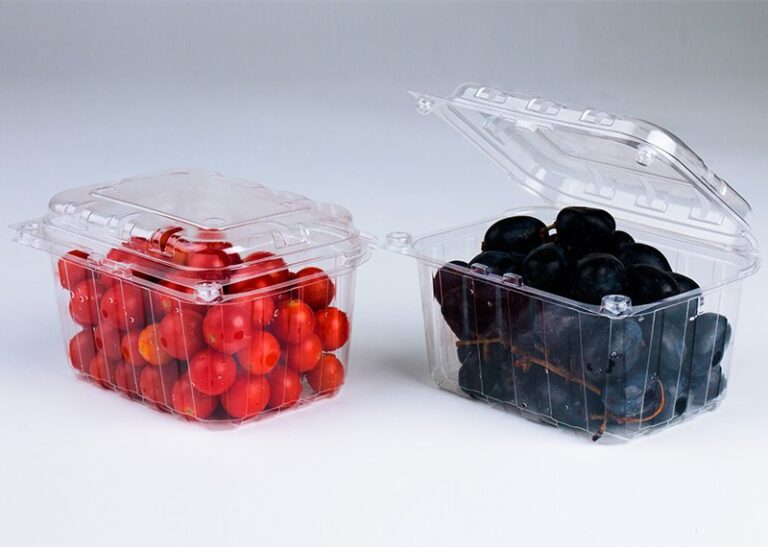
The fresh produce requires packaging that supports more than protection. Nowadays, in the retail world, where many people deliberately purchase food on the basis of how it looks, there can be arguments as to whether the packaging is as important as quality, but the Punnet Box has stood the test of time as the premium produce packaging product. Strawberries, blueberries, grapes, cherry tomatoes, mushrooms, or any other produce one can think of- in case you move your eyes to visualize amazingly arranged, undamaged-looking fruits or vegetables neatly arranged on shelves, it is likely to be a product of the Punnet Box.
What is a Punnet Box and its Importance?
A Punnet box is a small, hard plastic box, normally used to store fresh produce, and it is usually of space-saving height. It is useful in two ways: it does not compromise the integrity of the goods, and it also increases the shelf appeal of the goods. The packaging solutions find their way in the current market as a silent sales tool, making the Punnet Box a one-dollar wonder in terms of form and operations.
Punnet Boxes are being adopted in all grocery chains, organic stores, and export markets are not only a matter of trend but also on the rise in consumer expectations. Consumers desire to have food that is appealing, which has increased shelf life and seems safe to eat. The Punnet Box does that and much more.
The modern consumers value Freshness and Safety the Most
Raw vegetables and fruits are exposed to dents, loss of moisture, and contamination. Conventional packaging strategies, such as the use of polythene bags or wrapping a product in paper, do not always succeed in preserving hygienic conditions and a form. The Punnet Box has slots in which it has been ventilated with toughness so that air can circulate, but with less stored water. This maximizes shelf life and prevents waste to a great extent.
Additionally, the food safety policies in nations are causing an increase in retailers and exporters to lean more toward secure and traceable packaging processes. The Punnet Box can be tamper-evident and commonly can be sealed as well, which is a perfect solution to food safety compliance rules.
The Aesthetics of Power
The presentation is everything in the supermarkets as well as the farmers’ markets. Produce aesthetically displayed in a transparent or semi-transparent Punnet Box tends to attract a buyer better than loose items and produce placed and tied in opaque materials. It has been found that neat packaging is associated with higher quality, trust, and cleanliness, as consumers associate it with higher quality or cleanliness.
The Punnet Box makes it even easier to deal with since the consumers can examine the produce through their eyes before they purchase it. Storing multiple Punnet Boxes on a display shelf or in a fridge preserves products in a safe and stable environment since the design means that kind of punishment is unlikely to result in any serious damage.
An Increase in the Use of More Eco-Friendly Packaging
With this sustainability movement taking root, emissions-free manufacturers are putting a new spin on the Punnet Box with more environmentally sustainable materials. In the modern world, you will come across some that are either composed of compostable pulp, recycled PET, or even biodegradable bioplastics. These improvements do not sacrifice strength or style; instead, they just make the Punnet Box even more attractive to the environmentally friendly consumer.
The retailers are also switching to Punnet boxes, which are recyclable materials, in a bid to meet green policies and avoid wasting amounts of plastic at the same time. This ensures – they are a win-win: good business and good planet.
Perfectly applicable in Branding and Traceability
The Punnet Box is also provided with a large surface area to label and brand, and the QR code, as well as being functional. It can be used to convey the values, certifications, and even recipes in a farm-to-table traceability to promotional branding by companies.
The Punnet Box is convenient to implement, as digital traceability is becoming increasingly common in the food industry. Customers have the possibility to scan QR codes and get harvest dates, or data on the farmer, or instructions on how to store the foodstuffs- transparency and trust are developed.
Diversification into the supply chains
The Punnet Box is very flexible when it comes to either local farm produce or international fruit exports. It may be customized on the basis of size, stackable format, and materials, based on the supply chain needs. It can be used in any market and climate, which makes it a maintainable one in terms of growing, distributing, and selling.
During the logistic phase, the Punnet Box can be used to minimize waste (because of spillage or incorrect handling). Its stiff structure prevents the crushing of fruits due to pressure created by other packages to ensure the product has a market-ready appearance.
Future of Packaging: Why Nothing is Going to Happen with the Punnet Box
As the consumer becomes more aware and with increasing food safety standards, plastic alternatives are needed; the Punnet Box itself is continuously evolving. The Punnet Box should not be a burden to brands that want to make a mark in the fresh produce industry as an investment in offering the best quality and customer satisfaction.
Even though there are still newer packaging solutions entering the market, there are hardly any that can compete with the convenience and appeal, as well as sustainability, that the Punnet Box presents. So long as consumers want their freshness, visibility, and hygiene, then this tiny powerhouse of a box will stay at the heart of the produce packaging campaign.
Closure: Why all Fresh Produce Brands should get the Punnet Box
The Punnet Box is not European packaging; that is, it is a silent salesman, a protector, and a tool of branding in one. The Punnet Box is the obvious solution for producers and retailers interested in being sure that they are going to deliver the fruits and vegetables fresh, safe, and attractive. With the way the food industry moves, such an easy solution will continue to be instrumental when it comes to our packaging and understanding of freshness.
How Recycled Plastic Punnets Are Revolutionizing Sustainable Packaging
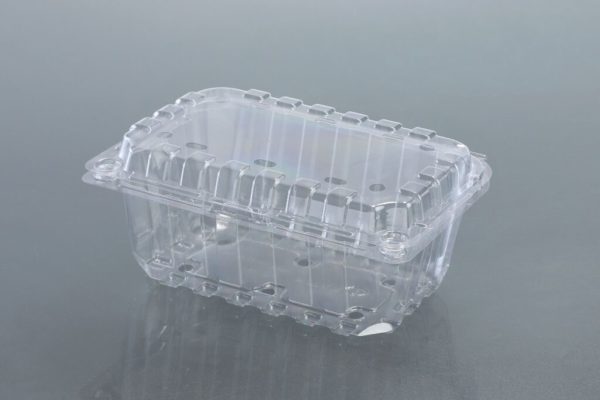
With the world becoming greener in terms of packaging, plastic punnets, particularly those manufactured from recycled content, are becoming the new guiding light in the race towards environmentally friendly packaging. As increasing pressure is placed on manufacturers and retailers to reduce their environmental footprint, the use of plastic punnets in packaging is steadily gaining pace. Not only are such containers convenient to transport and store things, but they also contribute to a circular economy.
Why plastic punnets are gaining ground regarding sustainable packaging.
To be part of the initial trends in eco-friendly packaging, plastic punnets have become a recommendation as a medium that keeps up with the needs of boosting the sustainability of packaging materials. These punnets have been traditionally used to pack fresh fruits, vegetables, and bakery products, but of late, they have become a statement of conscious manufacturing as well.
Manufacturers are now utilising plastic punnets made from post-consumer recycled (PCR) plastic by manufacturers and suppliers, drastically cutting the use of virgin plastic and natural resources. The Ellen MacArthur Foundation has identified the increase of recycled content in the package to be one of the foundations of achieving global sustainability goals. This is the area where the plastic punnets have real benefits.
Advantages of Recycled Plastic Punnets
- Eco-Friendly Footprint: Recycled plastic punnets significantly lower carbon emissions compared to manufacturing virgin plastics. According to a paper published by Science Advances, plastic reuse and recycling would reduce emissions by more than 40 per cent by 2050.
- Less Landfill Trash: Recycled materials also contribute to making plastic punnets, and instead of being put into landfills and later into oceans, waste achieves a second life.
- Longevity and Defences: Punnets made of plastic are very protective to perishers, hence minimising food wastage due to breakages during transportation and storage.
- Visibility and Beauty: Transparent punnets allow consumers to view the contents, enhancing trust and influencing purchase decisions. Concerns About Using Plastic.
- Customizability: Plastic punnets today can be shaped in several sizes and configurations and have become useful to almost any industry out there, such as agriculture and FMCG.
Industry Trends Driving the Shift Toward Plastic Punnets
Coinciding with the emergence of eco-conscious consumerism has been the rise in importance of the issue of the packaging practices of industries. Global retailers like Tesco and Carrefour insist on using more recycled content in their plastic packaging. Such a mass movement toward the use of alternative materials shows how significant scalable, sustainable options such as plastic punnets are.
This transition is most applicable in India. As more people become concerned about the environment and the use of plastics is regulated even more, recycled plastic punnets find their way into more food packaging, horticulture, and even the drug industries. Consumer satisfaction and corporate responsibility are competitive priorities when companies are seeking business partners, and as such, companies that want to remain leaders in compliance need to source manufacturers with a history of sustainability.
JB POLYPACK PVT PLC: Going Green with Green Solutions
Some of the leaders in the field of sustainable packaging are JB POLYPACK PVT. LTD, a company that has a reputation for being environmentally friendly in its innovations. The company specialises in supplying high-quality PET Punnets that have been adapted and incorporated with recyclable materials (e.g., PET) as well as other resources that are more environmentally sustainable to produce robust and reusable packaging materials. Their practice conforms to the world’s best practice as they provide packages that are environmentally friendly and commercially viable to their clients.
Combining high-tech manufacturing procedures and rigorous quality checks, JB POLYPACK claims that every plastic punnet serves its purpose without adding to the degradation of the environment. This is what qualifies them to be a first choice in terms of the businesses that want to connect profits to purpose.
Addressing Concerns About Using Plastic
Many believe recycled plastic contradicts the goal of sustainability, but continue to use it. The secret is to be responsible in sourcing and the recyclability of the after-use. It is important to remember that when a sufficient quantity of recycled plastic punnets reaches the process of recycling, they can be used repeatedly, and this way, it would form a closed loop. Compared to disposable variants, these punnets do not compromise on long-term sustainability objectives.
In addition, a high number of plastic punnets are now offered in recyclable mono-material formats, and this will be easier to recycle compared to composite packs.
Future Prospection: What is the Future of Plastic Punnets in the circular economy?
With sustainability no longer a prime trend, but a must-have, plastic punnets will also continue to be a very useful and potent tool in the hands of brands that want to lessen their impact on the environment. Recent advancements are likely to strengthen the attractiveness and capabilities of plastic punnets, including biodegradable lining, AI-based optimisation of design and recycling logistics, and so on.
Consumer education will also be vital in this aspect. Once customers realise their role in cleaning up the environment by deciding on which packaged goods will make people healthier, the shift toward ecologically-friendly packaging, such as plastic punnets, will become even faster.
Final Thoughts
There is a shift in the packaging scenario, and recycled plastic punnets are the way to create a greener and more ecological environment. To those enterprises that need to be efficient, aesthetically pleasing, and environmentally friendly, the punnets provide a comfortable response to the current requirements.
There are companies such as JB POLYPACK PVT. LTD is demonstrating that with an appropriate purpose and innovation, he or she can be the one to make packaging both eco-friendly and high-performance. Due to the change in demands and the level of adaptability exhibited by industries, the significance of plastic punnets in establishing a greener economy is nothing but imminent.
Innovation in Packaging: A Peek Into The World of The PET Sheet Suppliers
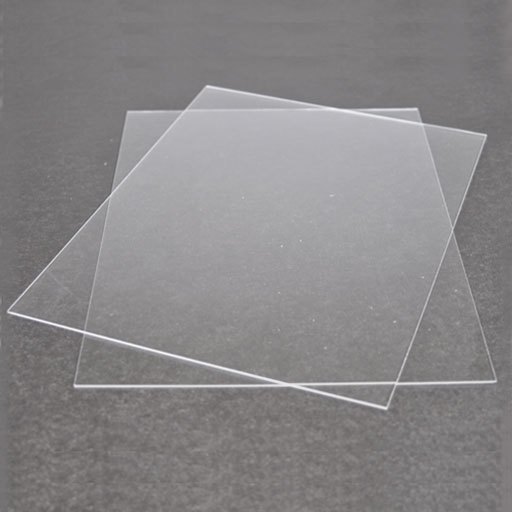
In the current busy industrial and consumption atmosphere, packaging is not simply about associating a product with a cover, but is a way of maintaining quality, ensuring safety, and making products and packaging friendly and sustainable. One key stakeholder in this revolution of packaging is the PET Sheet Manufacturers. Their new application of Polyethylene Terephthalate (PET) has enabled these manufacturers to assist industries in transforming their traditional sustainable and unsustainable materials into lightweight, strong, and recyclable ones.
The industry of packaging is shifting so fast, and PET Sheet Manufacturers have become the center of this change. PET sheets are also being used to make food-grade packaging, electronics casing, and industrial clamshells, to name a few, and they are demonstrating themselves to be the ideal, combining form and function.
Who Makes PET Sheets?
PET sheets also provide the optimal combination of strength, clarity, and sustainability, unlike other types of plastic materials. This qualifies them to be used in food containers, as well as medical trays. PET Sheet Manufacturers appear to be obsessively working on conditioning products that are of high levels of hygiene, safety, and environmental consideration, hence becoming a very significant intermediary component of the global supply chain.
As an example of how the market is influencing the choice of PET Sheet Manufacturers in India, the need to use transparent, recyclable, and heat-resistant packaging stimulates more industry players to collaborate with familiar entities. Such manufacturers are able to employ the latest extrusion technology in order to meet a constant thickness and clarity, knowing that super-critical retail packaging must not only be aesthetically pleasing but it must also functional.
Innovation is the nerve center of PET sheet manufacturers
The real advantage that PET Sheet Manufacturers have is innovation. Consumers are now demanding that their products be eco-friendly, and enterprises are responding with biodegradable mixtures, recycled PET (rPET), and light-weight forms that cut transportation costs without an adverse impact on the quality of the substance.
R&D teams within the leading PET Sheet Manufacturers are in the constant process of making improvements in barrier properties, carbon footprint, and sheets that can be reused or reprocessed. Such a commitment to finding new ways of doing things makes it possible to see businesses achieving global sustainability goals along with upping their efficiency and aesthetics.
The reasons why industries are using PET sheets instead of other materials
Food and beverage, pharmaceutical, electronics, and personal care industries are finding more and more reasons to call PET Sheet Manufacturers with their custom needs. PET sheets are more favoured because they are made of materials that are not susceptible to moisture, chemicals, and UV rays. The brands can also have a competitive advantage in the world, which is rapidly moving towards green solutions, because they are recyclable.
Most PET Sheet Manufacturers have sheets that are FDA and EU safety compliant, thus food-grade use is a common application. In addition, they are versatile in thermoforming, meaning that they can be molded in many different packaging forms without compromising the structure.
Sustainability as a factor in the evolution of PET sheet manufacturers in the future
The importance of sustainability is one of the most impressive changes in the packaging world. Manufacturers of PET Sheets are investing in sustainable manufacturing operations- they are using clean-energy sources such as solar energy, they minimize their waste products, and they recycle in-house scrap to create usable sheets.
There are also other processes underway wherein some manufacturers have released 100 percent rPET sheets produced and released entirely using post-consumer waste as part of the circular economy. Besides contributing to environmental objectives, this assists companies with meeting the changed regulations on the use of plastic.
This sustainable business is not a fad, but it is an extended agenda on the corporate responsibilities of a good PET Sheet Manufacturer.
The Problems that the PET sheet manufacturers experience
Despite all the booming, PET Sheet Manufacturers have their challenges: volatility in prices of raw materials; documents pertaining to green rules and regulations, etc. Nevertheless, they can be rather adaptable. There are a great number of companies that develop AI-based quality control schemes and automate production processes, and upskill their employees to reach top efficiencies and compete with others.
Such nimbleness enables PET Sheet Manufacturers to address the domestic and international demand, despite the supply chain disturbances, and makes them trusted partners in the packaging ecosystem.
Conclusion
PET Sheet Manufacturers is an unchallenged world that is filled with innovation, responsibility, and growth. With the increasing demand for sustainable and high-performance packages, companies are stretching. The companies are working towards the satisfaction of various worldwide demands. Their work helps make industries on all fronts of business, such as retail, healthcare, etc., to be able to use the materials that are not only efficient but also environmentally responsible
.
To the companies aspiring to remain on the cutting edge, there is no better moment to consider cooperation with progressive PET Sheet Manufacturers. The proper cooperation may present more intelligent packaging, enhanced brand image, and enhanced responsibility to the environment.