Punnet Box Guide: The Smart Packaging Solution for Fresh Grapes
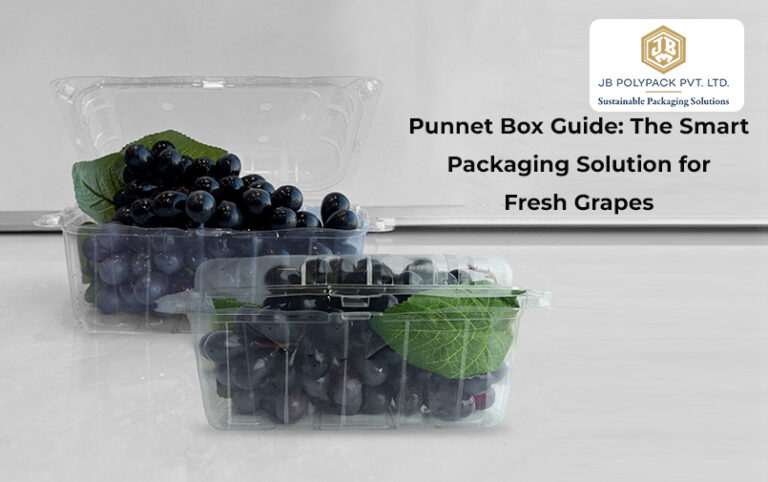
In the world of fresh fruit packaging, the punnet box has become a fundamental choice for growers, packers, and retailers who want reliable, attractive, and safe packaging for produce. If you are a manufacturer, distributor, or quality manager working with grapes or other delicate fruits, you know the impact that packaging quality has on product safety, shelf appeal, and supply chain efficiency. Today, we will explore all the details that matter about the punnet box and why it is a smart solution for fresh grapes.
What Is a Produce Punnet and Why It Matters
A punnet box is a type of plastic container designed specifically for fresh produce. These containers hold fruit securely while allowing air circulation, visibility, and strength that protect contents during handling, transportation, and display. For fresh grapes, the right punnet box can mean the difference between fruit that arrives bruised and fruit that arrives intact, juicy, and ready for sale.
Growers and packers have shifted toward modern packaging solutions because traditional trays, cartons, or loose stacking just do not provide consistent protection. A punnet box offers structure and transparency that consumers trust. It also makes inventory control easier for packhouses.
The design of a punnet box keeps grapes in place. The stable base reduces rolling and pressure that can cause bruising. The ventilation windows help regulate humidity and airflow. This level of care protects freshness and quality.
The Rise of Plastic Punnets in Fruit Packaging
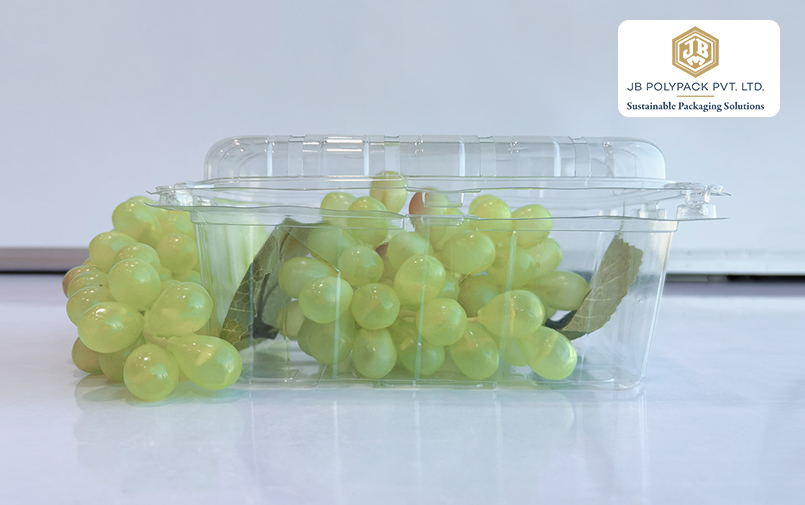
Plastic punnets have become more popular across the globe. They are available in multiple sizes, thicknesses, and configurations. For grapes, a plastic punnet gives the strength needed to withstand handling, refrigeration, and stacking without collapsing.
Why Manufacturers Choose Plastic Punnets
The choice of plastic punnets comes down to results. These containers balance protection and visibility. They allow a consumer to see a box of grapes clearly, encouraging purchase.
A plastic punnet can be molded in shapes that hold fruit gently. Soft grapes need stability but they also need a shape that does not press too tightly against the skin of the fruit. Plastic delivers this control.
From a packer’s perspective, plastic fruit punnets help streamline production lines. They are easy to fill with automated equipment and stack well on pallets. They also withstand cold rooms and shipment racks.
Packaging engineers value plastic punnets because they can be designed with ventilation that matches the respiration needs of the fruit. When airflow is right, grapes stay firmer longer. This benefit extends shelf life and reduces product loss.
Box Grapes: How Packaging Affects Retail Performance
When grapes arrive at retail, their first impression is everything. A well-designed grapes box catches the buyer’s eye while keeping the fruit pristine.
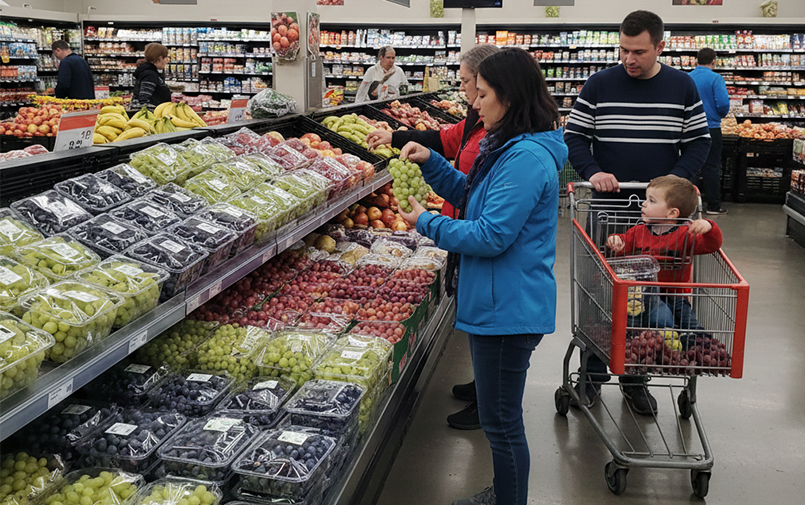
The way a box of grapes looks matters in busy produce aisles. Shoppers compare freshness mainly by sight and feel. A clean, transparent plastic punnets solution with firm corners and clear surfaces signals quality.
Retailers appreciate containers that stack securely and do not crush under pressure from adjacent boxes. The structural integrity of a punnet box means fewer returns and more satisfied customers.
What to Look for in a Good Grapes Box
There are a few major factors to consider when choosing a grapes box for packaging and distribution:
Strength and Thickness
A strong box prevents damage. Thickness plays a role in structural integrity. Too thin and the box can collapse under weight. Too thick and it adds unnecessary cost and material.
The right thickness supports the natural weight of the grapes plus any pressure from stacking.
Size and Fit
Fruit comes in different volumes and cluster sizes. A one-size-fits-all approach does not work. That is where the ability to produce punnet box in a variety of sizes becomes important.
At JB Polypack we offer a wide range of punnet box sizes and can customize dimensions and wall thickness according to exact industry needs. Whether your line requires a standard 250 gram tray or a larger 1 kilogram pack, we adjust the design.
Ventilation Pattern
Air circulation keeps grapes from sweating. Excess moisture can lead to mold. Thoughtful ventilation patterns reduce condensation. Our plastic punnets are engineered with holes placed where airflow makes the most difference for grapes.
Visibility and Branding
Clear plastics help brands show off their fruit. The transparency of a punnet helps consumers see color and condition. That alone can drive higher sell-through rates.
A Deep Dive Into What Makes the Punnet Box A Smart Choice For Fruit Packaging
For the fruit packaging industry, the punnet box is more than a container. It is a tool that drives efficiency, reduces waste, and supports product quality from packing lines to consumer hands.
How Plastic Punnets Improve Packing Efficiency
With traditional packaging, workers often spent extra time adjusting fruit to fit trays or cartons. The consistency of a punnet box means workers spend less time fitting product and more time moving pallets down the line.
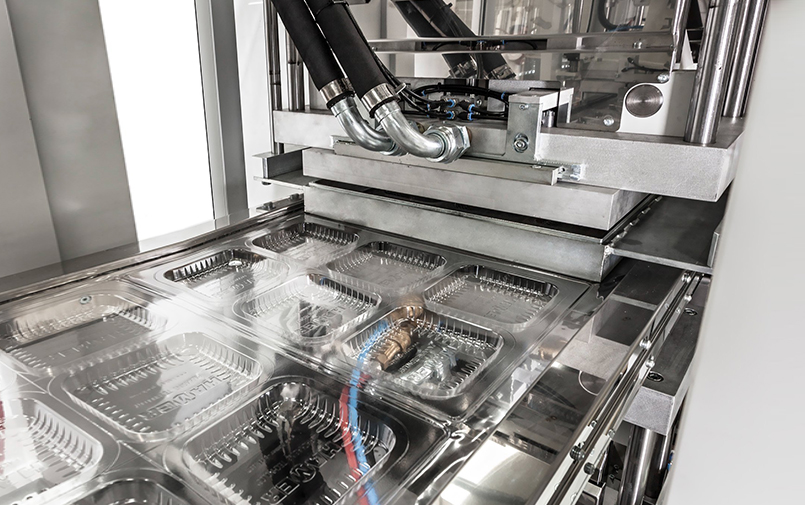
Automated fillers and conveyors can handle plastic fruit punnets with ease. The uniform shape allows machines to pick, fill, and seal with precision. This reduces labor cost and speeds up packing throughput.
For companies that ship large volumes, even small improvements in packing speed can reduce cost per unit significantly.
Protection in Transit
Transport conditions vary a lot. Refrigerated trucks, long hauls, handling from warehouse staff, and loading at distribution centers all affect how fruit arrives at its destination. A strong punnet box protects grapes from bruising and crushing.
Rigid sides and stable bases help a box of grapes handle vibration and shifting. Even minor movements during shipment can damage fruit without good packaging.
Better Shelf Life
Grapes need airflow to maintain freshness. The unique design of plastic punnets allows air circulation while shielding fruit from direct impact.
This is where the ventilation system of a punnet box really makes a difference. Strategic openings allow moisture to escape and cool air to flow. When grapes remain cool and dry, they stay firm and fresh longer.
How Buyers Evaluate a Punnet Box Before Finalizing Packaging
When procurement teams evaluate a punnet box, the decision rarely comes down to price alone. Experienced buyers look at how different thermoforming packaging behaves across the entire supply chain.
They assess how the box of grapes sits during pallet stacking. They check whether ventilation stays effective in cold rooms. They observe if the plastic maintains shape after hours of transport. These details influence fruit quality more than appearance alone.
For exporters, consistency matters. A grapes box that performs well in one shipment must perform the same way every time. That consistency reduces claims, rejections, and repacking costs.
Buyers also consider operational ease. Plastic punnets that work smoothly on packing lines reduce stoppages and manual handling. Over time, this efficiency becomes a deciding factor.
Beyond Grapes: Other Fruits That Benefit from Punnet Boxes
While this guide focuses on grapes, the principles apply to many other fruits.
Berries and Soft Fruits
Strawberries, blueberries, raspberries, and blackberries share similar packaging needs. These fruits bruise easily and need gentle support. A plastic punnet designed for grapes can often be adapted to support these berries well.
Cherries
Cherries have stems and delicate skins. A punnet box that supports the curve and holds fruit individually reduces pressure points and bruising.
Stone Fruits and Small Citrus
Smaller amounts of nectarines, apricots, or mandarins take advantage of sturdy plastic punnets when traditional boxes would be too large or inefficient.
Growers choose plastic fruit punnets because they match the life cycle of these products from cool room to retail shelf.
Horizons in Punnet Box Packaging
Innovation in fruit packaging continues. Today’s markets demand solutions that combine sustainability, strength, and cost efficiency.
Sustainability Advances
Plastic punnets have sometimes been misunderstood. However, modern manufacturing techniques are improving recyclability and material efficiency. Plastic punnets can be designed using PET that is widely accepted in recycling streams. When consumers and retailers recycle these containers, value returns to the supply chain.
At JB Polypack, our thermoforming processes produce durable punnet box solutions that respect material efficiency and help brands reach their sustainability goals.
We offer choices that help you balance strength and environmental performance.
Customization for Market Needs
No two fruit varieties are the same. This is why we tailor the size and thickness of our punnet box offerings. Some customers need a thicker wall for export markets. Others want a lighter tray for domestic retail. We can align with your unique specification.
Customization includes:
- Specific tray dimensions
- Variable wall thickness
- Tailored ventilation hole patterns
- Custom branding options for visibility
Every detail supports product safety and brand appeal.
Why Consistency in Punnet Box Manufacturing Matters at Scale
At small volumes, minor variation in packaging may go unnoticed. At scale, even slight inconsistency in a punnet box can affect packing speed, stacking strength, and storage efficiency.
Consistent wall thickness ensures every plastic punnet behaves the same on conveyors and pallets. Uniform dimensions help cartons stack evenly. Predictable rigidity protects fruit across shipments.
Manufacturers who supply large volumes of box grapes depend on this consistency. It allows operations teams to plan confidently and avoid packaging-related disruptions during peak seasons.
How to Choose the Best Punnet Box Supplier
When selecting a partner for plastic punnets and fruit packaging, manufacturers look for reliability, quality, and responsiveness.
Here are a few questions to ask:
- Can the supplier provide a variety of sizes and punnet box thicknesses?
- Do they offer quick turnaround and consistent delivery schedules?
- Are their punnets engineered with the right ventilation and structural design for your fruit?
- Can they support custom branding or specific supplier requirements?
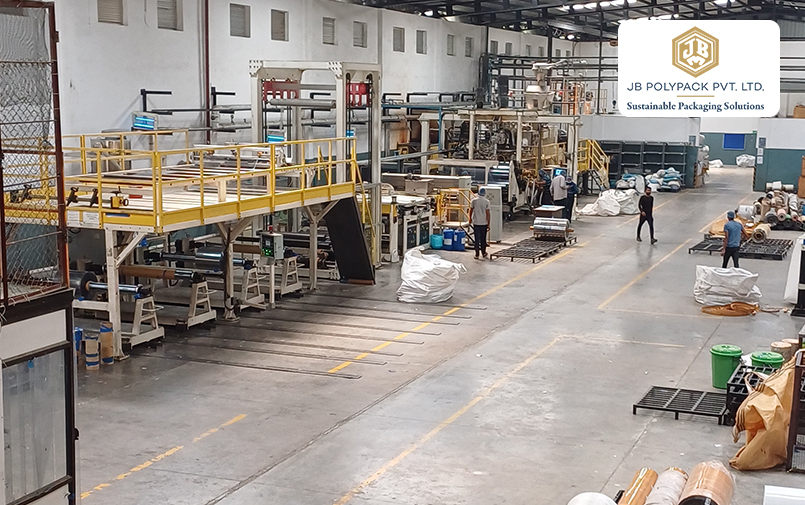
At JB Polypack we work with brands across fruit categories. Our capacity to deliver consistent quality at scale means fewer supply interruptions. We support fruit producers who ship domestically and internationally.
Punnet Box Packaging for Fresh Grapes
Packaging is often overlooked until there is a problem. When you choose the right punnet box for fresh grapes and other produce, every step in the supply chain improves.
Your fruit arrives at retail in the condition you expect. Retailers see fewer returns. Consumers find fresh fruit that looks and tastes great. Your brand builds trust.
From packaging design to production, every decision matters. Plastic punnets help create safer fruit handling. They streamline packing lines. They support shelf life and visual appeal.
If you want to elevate how your grapes are packaged and perceived, the right punnet box is central to that success.
At JB Polypack, we specialize in tailoring plastic punnets to your exact needs. We produce grapes box solutions that match your line, your product, and your quality standards. Our team focuses on precision, responsiveness, and packaging that works harder for you.
Choose smart packaging solutions for your fresh fruit. Choose reliability. Choose clarity. Choose quality.
Frequently Asked Questions About Punnet Box Packaging
These FAQs are built around real queries from buyers, exporters, and packaging teams.
Q1. What size punnet box is best for fresh grapes?
The ideal punnet box size depends on how grapes are sold and transported. For retail shelves, smaller formats between 250 grams and 500 grams are common. For bulk movement within supply chains, larger formats work better. The key is matching the box depth and ventilation to the grape variety so clusters sit naturally without pressure. Many packers choose custom sizes to reduce fruit movement during transit.
Q2. Are plastic punnets safe for food-grade grape packaging?
Yes. Food-grade plastic punnets made from PET are widely used in the fruit packaging industry. PET is considered safe for direct food contact and performs well in cold storage and transport environments. When manufactured under controlled conditions, these containers meet hygiene and safety expectations for fresh produce.
Q3. How does a punnet box help extend grape shelf life?
A well-designed punnet box supports shelf life by allowing controlled airflow around the fruit. Ventilation holes reduce moisture buildup, which helps prevent spoilage and fungal growth. The rigid structure also minimizes bruising, which is a major cause of early fruit deterioration.
Q4. Can the same punnet box be used for other fruits?
Yes. Many punnet box designs are suitable for multiple fruits. Apart from grapes, these boxes are commonly used for berries, cherries, plums, and smaller citrus varieties. The suitability depends on fruit weight, sensitivity, and airflow needs. Some customers use the same mold across seasons for different fruits.
Q5. What thickness should a grapes box have?
Thickness depends on stacking height, transport distance, and fruit weight. A grapes box meant for export or long-distance transport usually requires higher rigidity. Domestic distribution may allow lighter thickness. Manufacturers often test different wall thicknesses to balance protection and material efficiency.
Q6. Are plastic fruit punnets recyclable?
Most plastic fruit punnets made from PET are recyclable when collected and processed correctly. PET is one of the most widely recycled plastics globally. Many brands now prefer PET punnets because they align better with circular packaging goals.
Q7. Can punnet boxes be customized for branding or ventilation?
Yes. Punnet box manufacturing allows customization in size, shape, ventilation pattern, and sometimes branding features like embossing or labeling compatibility. Customization helps brands stand out while still meeting functional requirements for fruit safety.